


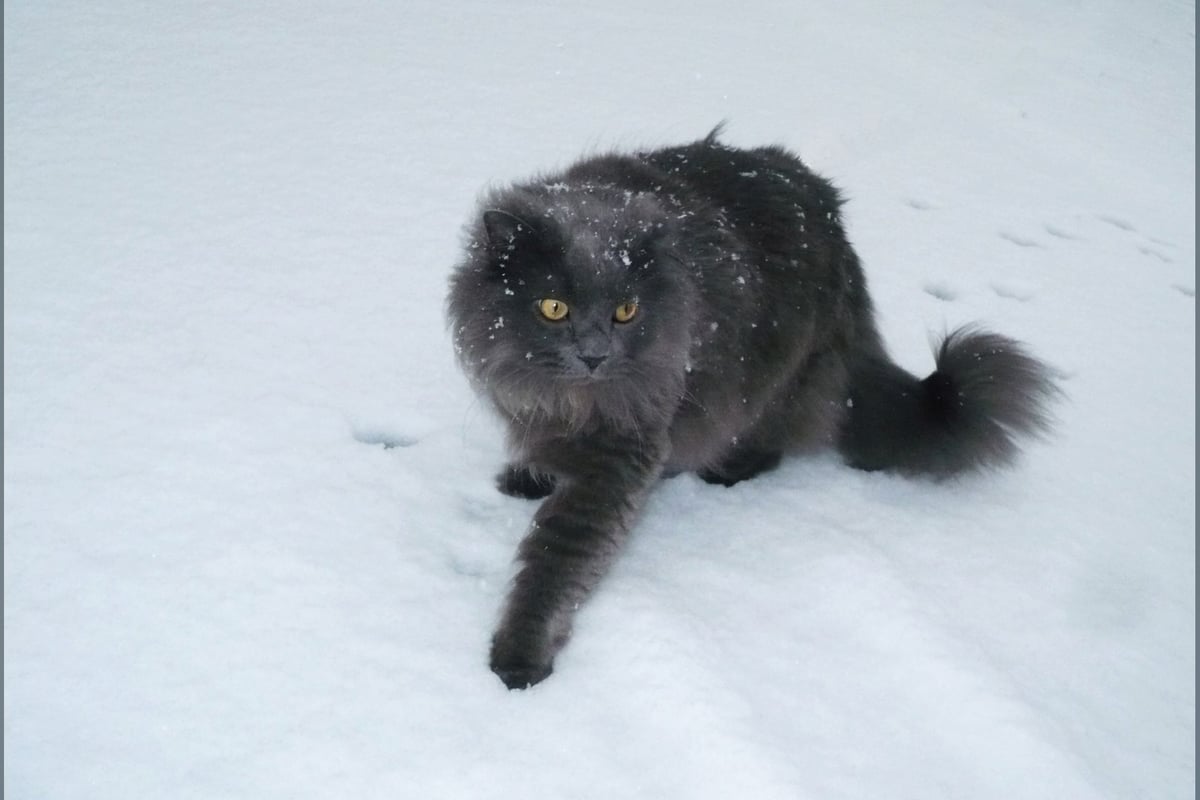
Chantilly-Tiffany
An American longhaired breed born in New York in the 1960s, the Chantilly-Tiffany stands out for its silky chocolate coat — later joined by other recognized colors — and its gentle character, deeply attached to its people. Distinct from the British Tiffanie of the Asian group, it remains one of the rarest breeds in the world, with a very limited breeding population.
- Weight
- 3.5 to 6.5kg
- Height
- 23 to 28cm
- Life expectancy
- 14years
- Monthly cost
- 60 to 100€
Personality profile
Energy 2/5
Independence 2/5
Trainability 3/5
Good with children 3/5
Talkativeness 2/5
Space needed 2/5
Attachment to home 4/5
Good with strangers 2/5
Good with cats 3/5
Good with dogs 3/5
Coat care 4/5
Exercise needs 2/5
Scores given on measured axes, data confidence: low.
Living with a Chantilly-Tiffany
Description
A medium-sized cat, it has a well-muscled semi-foreign body and a silky semi-long coat with no thick undercoat. Its original coat is a uniform intense chocolate, but selection has widened the palette to other colors (blue, lilac, cinnamon, fawn) and tabby patterns. The eyes are gold to copper, deepening with age. The breed is registered with TICA under a provisional status that the shortage of breeding cats has left fragile for decades, making it a precious but endangered genetic curiosity.

Temperament
Calm and not very vocal — its vocalizing is limited to a soft meow — and deeply attached to one or two key people. It copes poorly with long periods of solitude and can show anxiety if its environment changes too often. Around strangers, it adopts a cautious reserve before slowly warming up. It enjoys gentle brain games and extended cuddle sessions, without ever being intrusive.
Training
Although not very demonstrative, it responds well to clicker training and short sessions based on food rewards. It learns household routines and can pick up a few simple behaviors (coming when called, using the scratching post exclusively). Sessions should stay brief — ten minutes maximum — since it quickly tires of repetitive exercises. Restraint or punishment are counterproductive with this sensitive temperament.

Feeding
It is a reasonable eater with no marked tendency toward overeating. A diet based on quality animal protein, in the form of premium kibble or wet food, covers its needs. Portions should be matched to age and activity level, since its low spontaneous exercise can encourage gradual weight gain if the ration is not adjusted. Fresh water available at all times, ideally via a fountain.
Affiliate links, no extra cost to you. Legal notice

Living conditions
This cat adapts well to an apartment provided it has regular human presence and a few climbing structures or perches. Its space needs are moderate (score 2), which makes it suited to reasonably sized homes. Because of its silky coat, it tolerates prolonged summer heat less well: a cool, shaded space is recommended in summer. The presence of another sociable animal can offset its owner's absences.

Grooming and coat care
The semi-long coat is silky and relatively resistant to matting, but frequent brushing (two to three times a week) remains necessary to prevent tangles, particularly behind the ears and in the armpit areas. The breed is not hypoallergenic. During the shedding season (spring, fall), daily brushing limits hair spreading around the home. Regular ear cleaning and a dental check-up round out the routine.

Health
No specific genetic problem is documented to date, partly a consequence of the breed's rarity and the absence of large cohort studies. Weak genetic diversity linked to the very limited numbers is the main health risk to watch. A balanced diet and an annual veterinary check-up are enough under normal conditions. Life expectancy is estimated at 12 to 16 years.
Breed history
In 1969, Jennie Robinson acquired two chocolate longhaired cats of unknown pedigree in New York, which she called "Foreign Longhair." After a pause in the program, Tracy Oraas took up the selection again in the 1970s-1980s and introduced the name "Chantilly," sometimes paired with "Tiffany" to avoid confusion with the British Tiffanie — a completely distinct breed, a semi-longhair variant of the British Asian group. TICA granted provisional recognition in 1992 under the name Chantilly-Tiffany. The chronic shortage of registered breeding cats has since left its institutional status precarious; the breed is today considered very rare, with a worldwide population estimated at a few hundred individuals.
Getting ready for your Chantilly-Tiffany
Four essentials to line up before day one.
Affiliate links, no extra cost to you. Legal notice
FAQ: Chantilly-Tiffany
Sources
- TICA — Breed Standards & Recognition · The International Cat Association. Chantilly-Tiffany breed information and registration status. Accessed May 2026.
- Fogle B. — The Encyclopedia of the Cat · Fogle, Bruce. The Encyclopedia of the Cat. DK Publishing, 2004. Chantilly-Tiffany entry, p. 212-213.
- Tracy Oraas — Historical breed development account (Cat Fancy, 1994) · Oraas, Tracy. "Chantilly-Tiffany: history and breed development." Cat Fancy, March 1994. Account from the breeder who took over Jennie Robinson's program.

