- How many cats can you have living together?
- Three cats is the practical ceiling for most households — beyond that, conflicts become hard to contain in a typical home. What matters isn't so much the number as the density: every cat needs to be able to eat, sleep and eliminate without crossing paths with the others. A multi-cat household that works means 2 to 3 neutered cats, duplicated resources, and vertical space.
- Should you get two males, or a male and a female?
- Once neutered, little difference. Conflicts between intact males are the most violent; between intact females, the most chronic. Systematic neutering of both sexes is the answer either way. Favor two kittens from the same litter to skip the late-introduction phase entirely.
- Will my first cat accept a second one?
- It depends on his breed and age. Under 2 years old: easy acceptance within 2-3 weeks. Adult, 3-5 years: 4-8 weeks, requiring a rigorous protocol. Senior, 8+ years: difficult, sometimes impossible — consider a calm adult companion rather than a bouncy kitten.
- Is the Siberian really sociable?
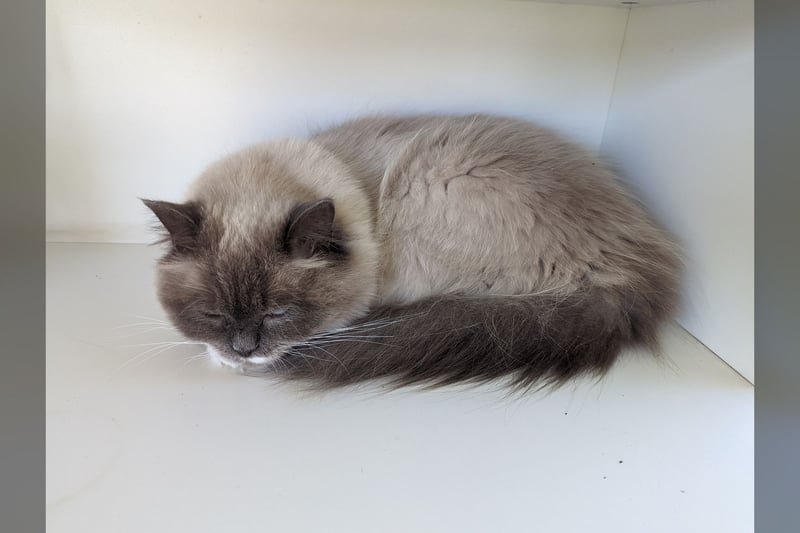
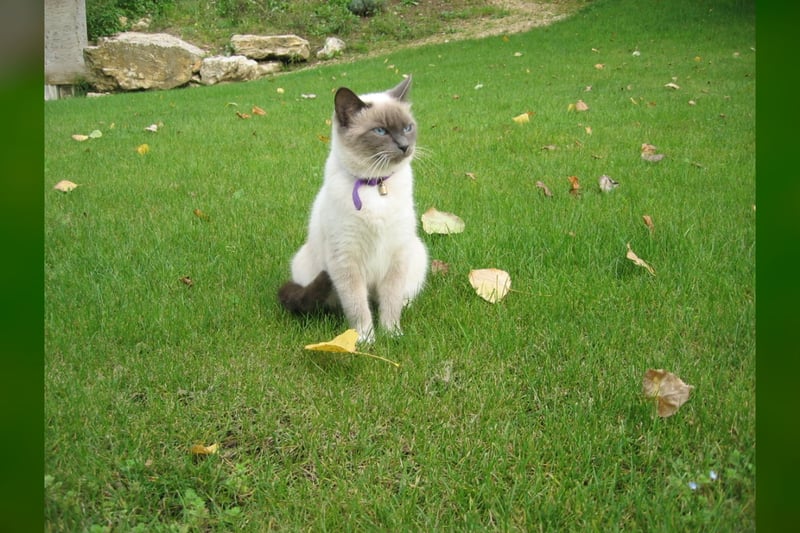
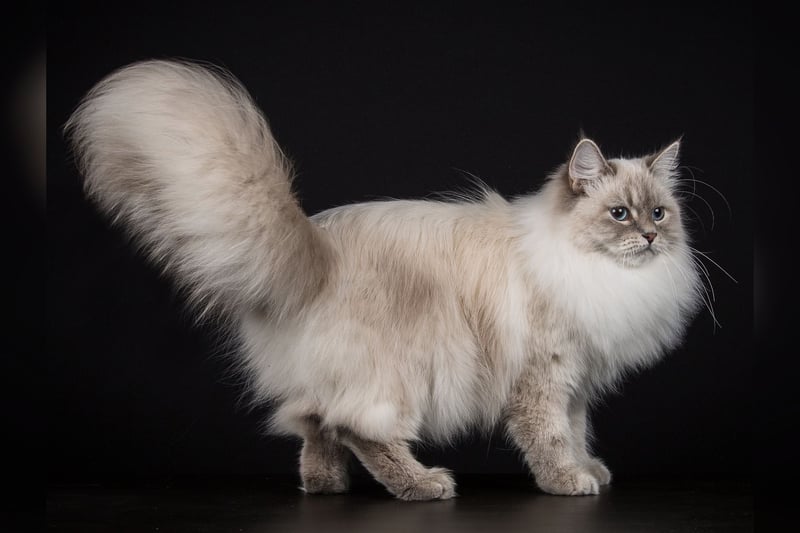
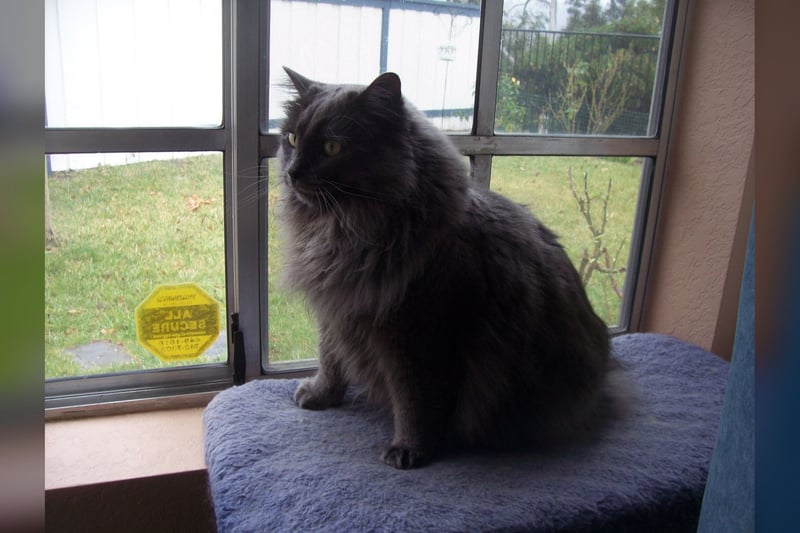
- Yes — 4/5 for tolerance of its own kind, it's one of the easiest breeds for a multi-cat home. Placid temperament, not very territorial, handles late introductions well. The Neva Masquerade (the Siberian's colorpoint variant) inherits the same qualities. An excellent choice for a household planning on 2-3 cats.
- How much does a multi-cat household cost?
- For 2 cats: 110-160 € a month (vs. 60-80 € for 1). For 3 cats: 160-220 € a month. Food and litter are the two costs that really double; equipment doesn't scale down well (you need N+1 litter boxes and several sleeping spots, not just one bigger one). Also plan on a multiplied initial cost: cat trees, bowls, and a per-cat vet budget.
- My cats are fighting — is that serious?
- It depends on the intensity. Short ritual scuffles with raised fur and no deep bites = normal during the 2-6 month adjustment period. Fights with blood, injuries, or pained yowling = consult a behaviorist. Urine marking in the home = a sign of anxiety, often reversible with pheromones and more resources.