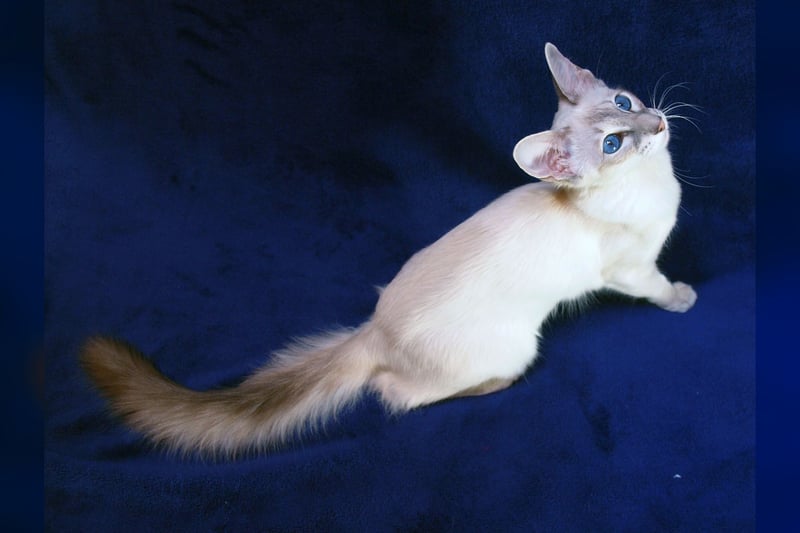
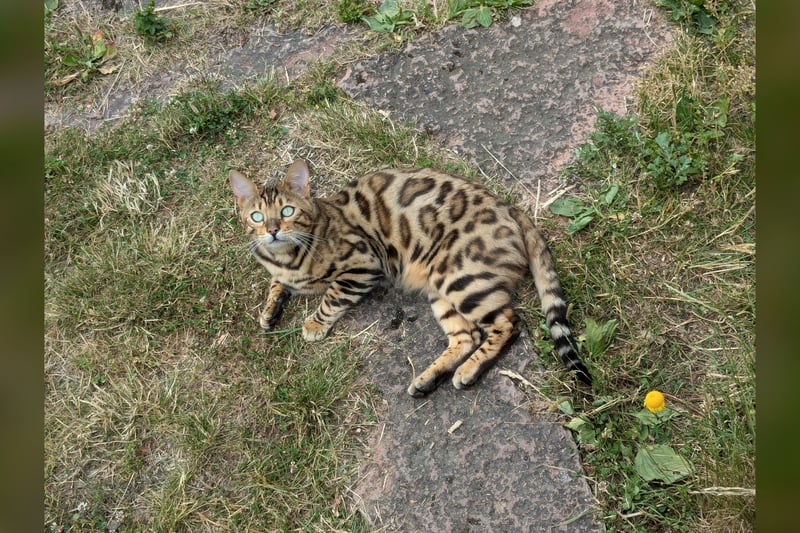
- Why only 3 breeds classified as hypoallergenic?
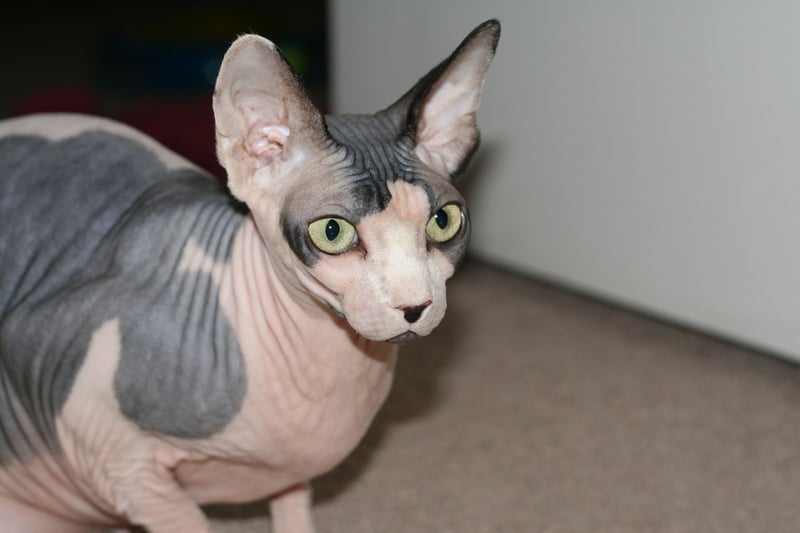
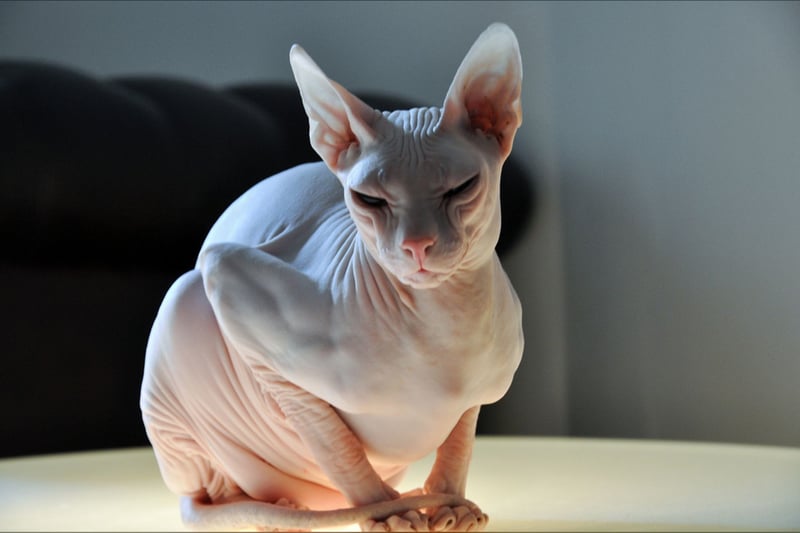
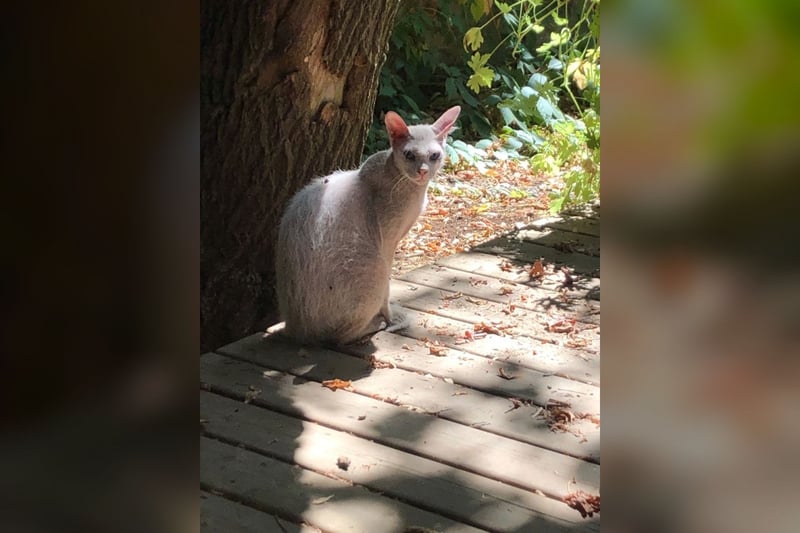
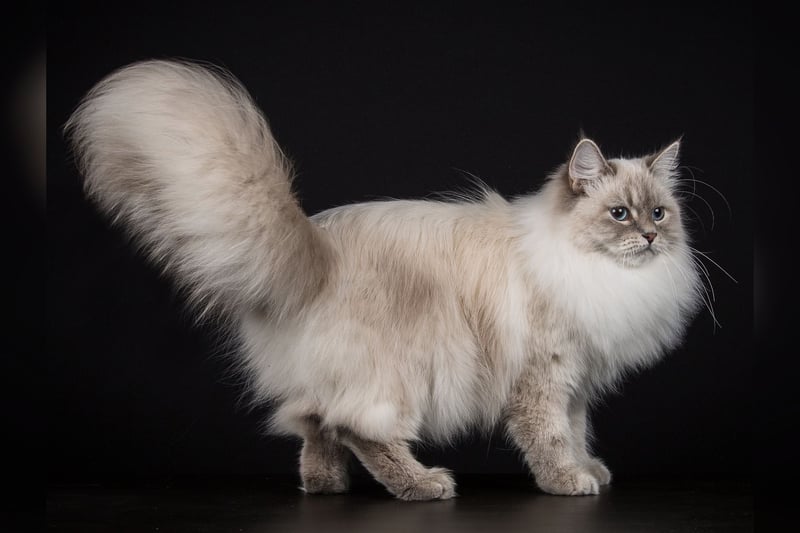
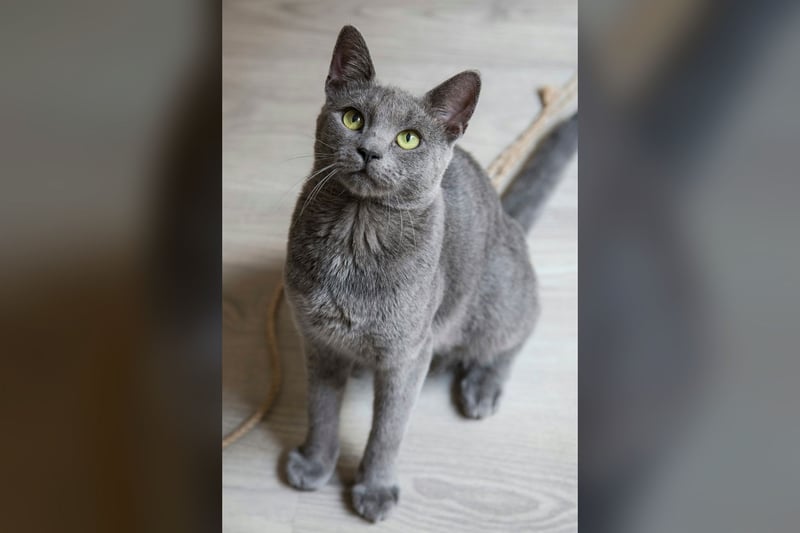
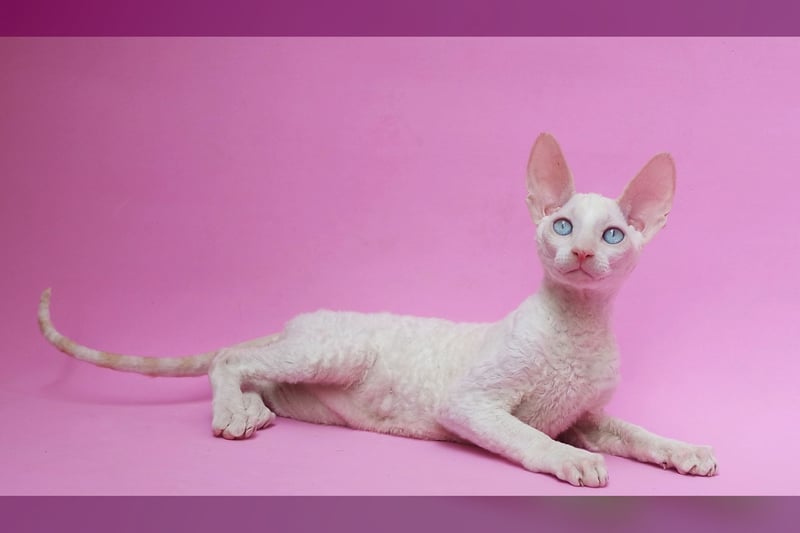
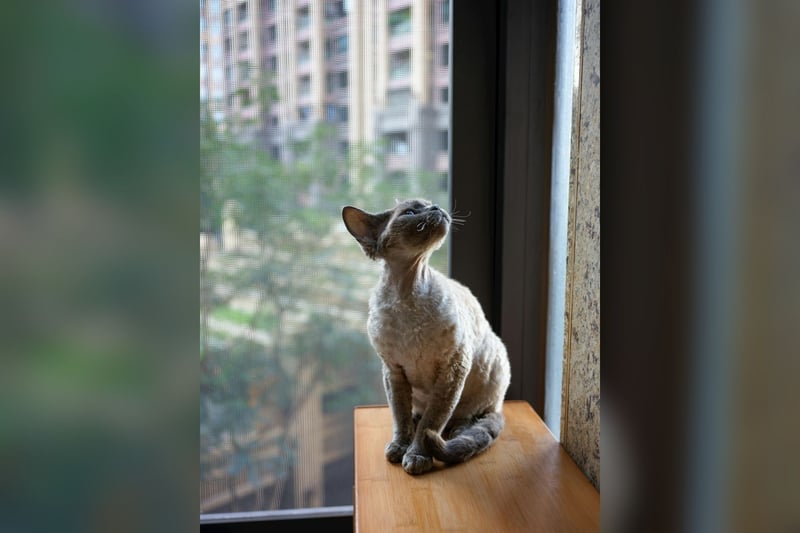
- Because CatMatch reserves that label for breeds whose lack of a coat mechanically limits how much Fel d 1 disperses: the Sphynx, the Donskoy and the Peterbald. The last one is hairless through the dominant Hr gene, but the breed also has velour and brush varieties: insist on a bald kitten. The Siberian, Neva Masquerade, Russian Blue, Cornish Rex, Devon Rex, Balinese and Bengal appear in the selection as reputedly better tolerated (Fel d 1 reputedly lower or less widely dispersed), without being classified as hypoallergenic: medical caution means testing each cat individually.
- Is the Sphynx really hypoallergenic?
- Not in the absolute sense. The absence of fur prevents Fel d 1 from building up on the coat and therefore from dispersing through the home, which is enough for many mild to moderate allergy sufferers. But the skin keeps producing it: the monthly bath is part of the routine, and a severe allergy can still flare up regardless. Hence the mandatory contact test beforehand, no exceptions.
- Should you get a Sphynx, a Donskoy or a Peterbald?
- All three breeds are hairless and equivalent in terms of hypoallergenic potential. The Sphynx is the most widely available in France (many LOOF-registered breeders), while the Donskoy and the Peterbald remain rare. It comes down to personal preference on build: the Sphynx is heavily muscled, the Donskoy and the Peterbald have finer lines. With the Peterbald, insist on a bald cat: the velour and brush varieties carry down. Temperament-wise, all three are affectionate velcro cats.
- Will my allergy fade over time?
- Possibly, but nothing guarantees it. Some adopters report improvement after one to two years of living together, others stay at the same level, and others still see their symptoms worsen and have to rehome the cat. There's no way to know in advance which group you'll fall into — hence the importance of the prior contact test and an allergist's opinion.
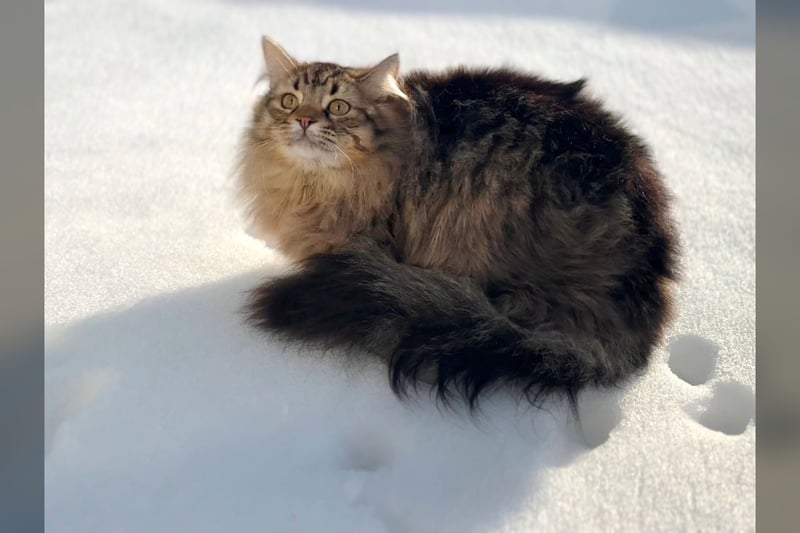
- What about Siberian cats sold as 'hypoallergenic'?
- A marketing claim, not a label. Available research shows that some Siberians produce less Fel d 1 than average, while others produce just as much or more: the variability is individual, not breed-wide. The quiz now shows them to allergy-prone profiles, along with the Neva Masquerade (the colourpoint variant of the Siberian, same Fel d 1 profile), the Russian Blue, the Cornish Rex, the Devon Rex, the Balinese and the Bengal, always with the "test it first" caveat. The Bengal is credited with reduced Fel d 1 production, the assumed cause being less compulsive grooming, with no formal scientific proof. Nothing can be predicted in a kitten: 30-60 minutes of prolonged contact with an adult of the breed, never a purchase on the breeder's promise alone.
- How can I live with a cat if I'm severely allergic?
- Combine several measures: a neutered Sphynx, Donskoy or Peterbald + monthly baths + allergist follow-up (desensitization takes place over several years) + HEPA filtration + a cat-free bedroom. An allergist can run a prior skin test to estimate your reaction level, to be done before adoption, not after.