CatMatch My selection FR

Which cat suits remote work?

10 cat breeds for remote workers: present, affectionate, low-disruption for your workday. A reasoned LOOF/FIFe selection.

  1. 1 Australian Mist
  2. 2 Bombay
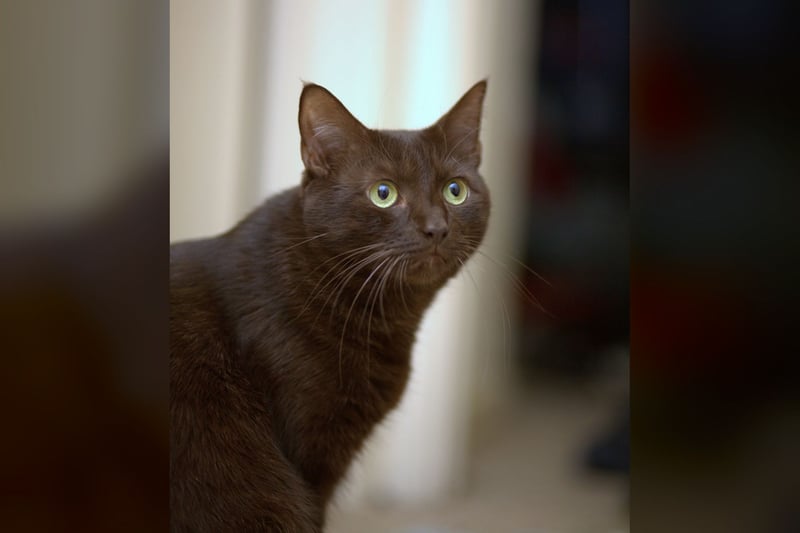
  3. 3 Havana Brown
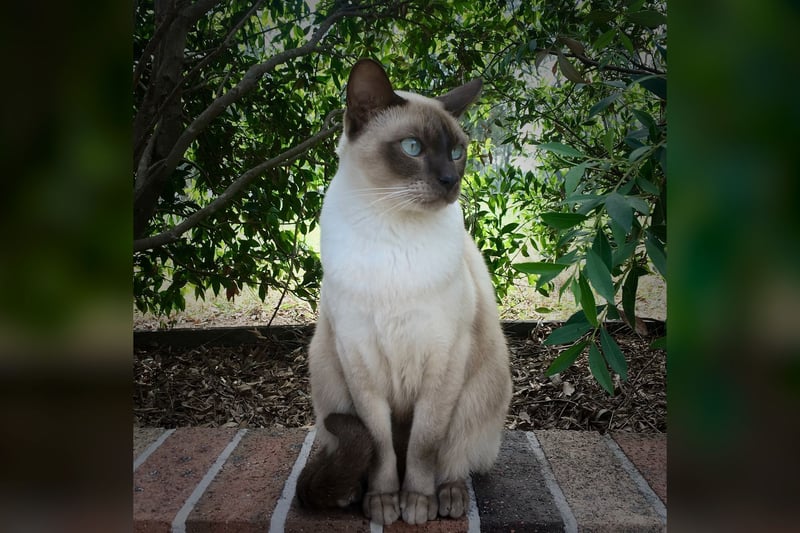
  4. 4 Tonkinese
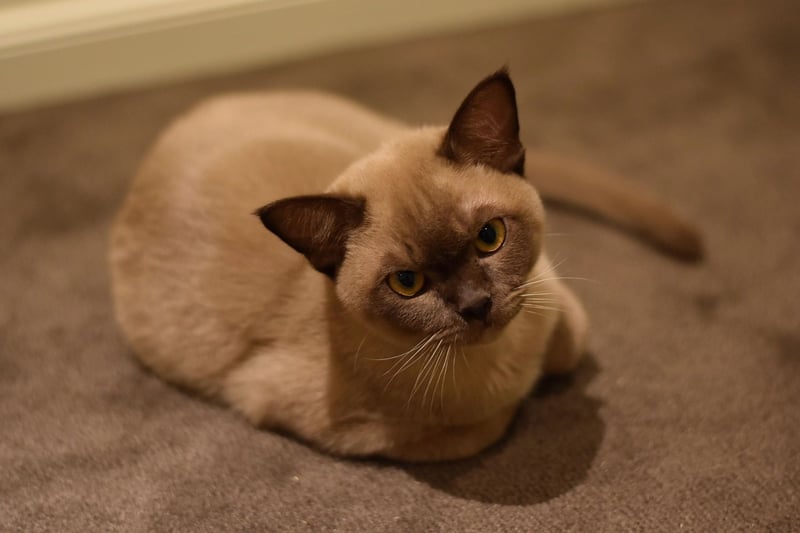
  5. 5 Burmese
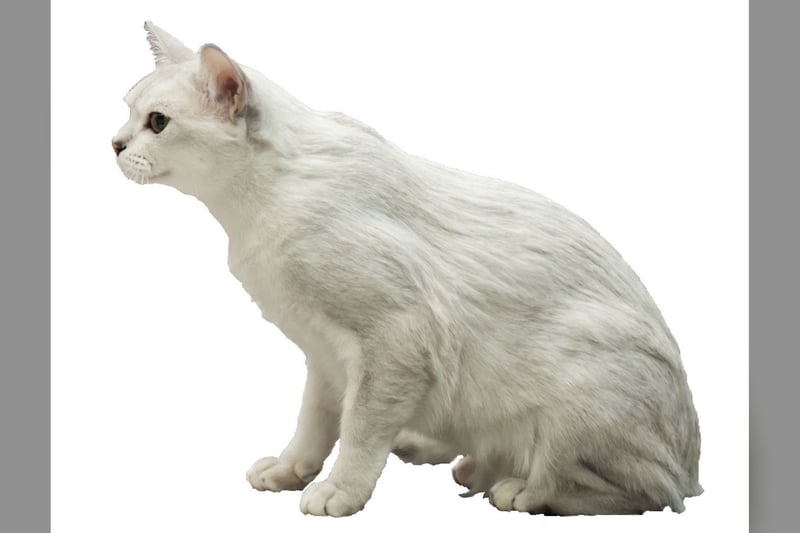
  6. 6 Burmilla
  7. 7 European Burmese
  8. 8 RagaMuffin
  9. 9 Birman
  10. 10 Scottish Fold

Remote work reshapes the cat-human relationship: the cat is no longer alone for 8-10 hours a day, and interaction becomes continuous. This favors affectionate breeds (4/5 minimum) that thrive on constant proximity — provided they're not disruptive during video calls (a meowing Siamese, a Bengal batting the keyboard). The breeds that combine strong affection with calm behavior during work hours are the Burmese-like breeds (Tonkinese, Burmilla, European Burmese, Bombay), the Australian Mist and the Havana Brown. These breeds develop a routine of calm presence: lying on the desk, purring nearby, without actively interfering.

10 recommended breeds

Every portrait opens the full profile: temperament, living conditions, health, budget and cited sources.

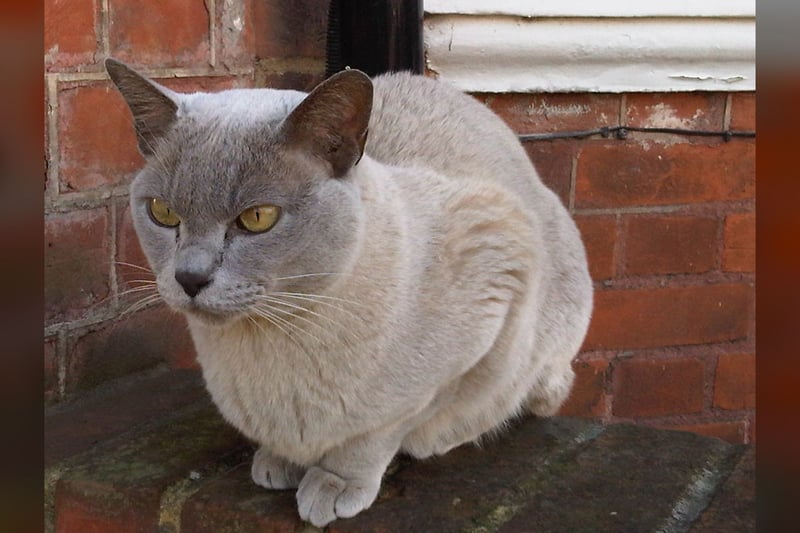
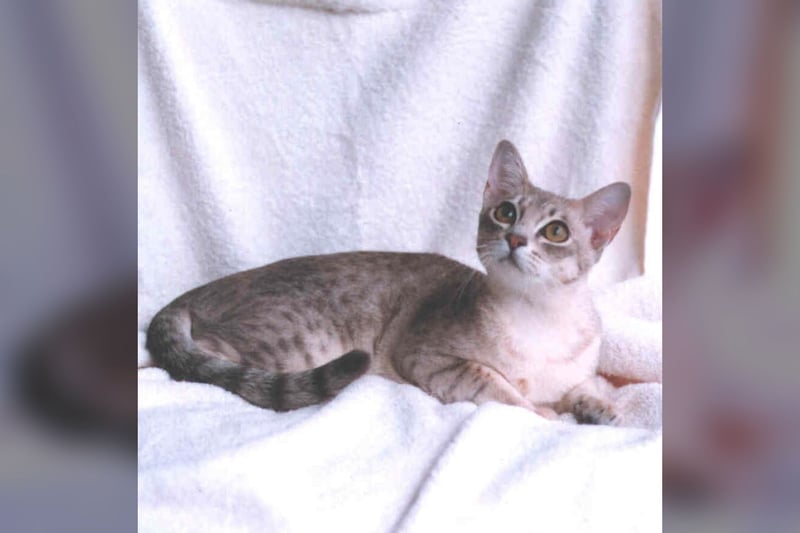
Australian Mist

1

Australian Mist

The Australian Mist is the first cat breed developed entirely in Australia, created in 1976 by Dr. Truda Straede in Sydney through systematic crossing of Abyssinians, Burmese and domestic shorthair cats. Its characteristic coat — a marbled or spotted pattern on a misty background, as if veiled in a light haze — earned it its definitive name in 1998. Virtually absent in France, it has been recognized by FIFe since 2014 and remains an Australian national treasure known for its exceptionally sociable temperament.

3 to 6 kg 16 years
See the profile
Bombay

2

Bombay

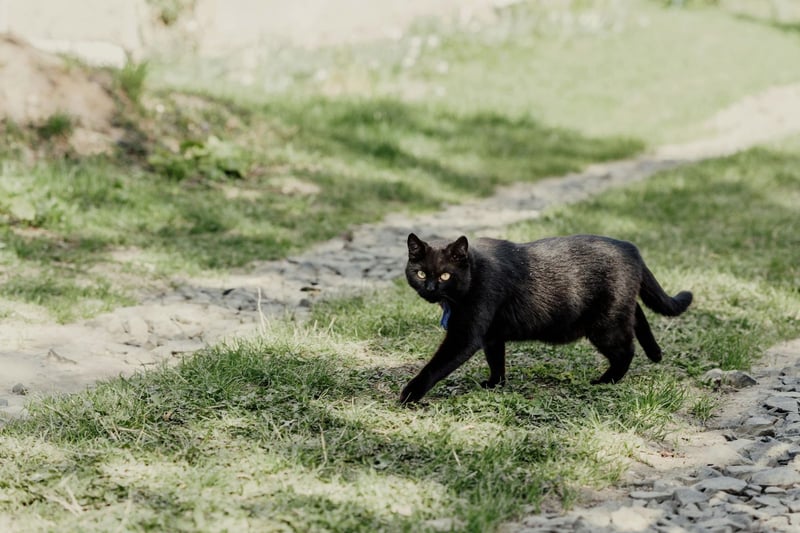
The Bombay is a shorthaired cat of American origin, born from a cross between a sable Burmese and a black American Shorthair, conceived in the 1950s by breeder Nikki Horner to recreate the look of a black panther in domestic form. Its coat is uniformly black, with absolutely no hint of red or brown, so satiny it appears lacquered. The eyes, a vivid copper to intense gold, create a spectacular contrast with the coat. An uncommon breed in France, it is better established in the United States.

2.7 to 4.5 kg 14 years
See the profile
Havana Brown

3

Havana Brown

The Havana Brown is one of the rarest cat breeds in the world: only around fifteen active catteries remain worldwide, twelve of them in North America. Born in the United Kingdom in the 1950s from a deliberate cross between chocolate-point Siamese and black domestic cats, it stands out for its uniformly warm chocolate coat, intense green eyes and — a trait unique in the cat world — brown whiskers. Its temperament recalls the Siamese's, but in a calmer, less insistent register.

3 to 4.5 kg 13 years
See the profile
Tonkinese

4

Tonkinese

The Tonkinese is the deliberate result of a cross between the Siamese and the Burmese, two breeds that have been naturally related for centuries in Southeast Asia. Stabilized in North America in the 1960s from the founding female Wong Mau, it is recognized by the CFA and the LOOF. Its "mink" coat — a pattern intermediate between the Siamese colorpoint and the Burmese sepia — and its aqua-turquoise eyes make it an immediately recognizable breed. Temperamentally, it sits right in the middle between its two parent breeds: as affectionate and social as the Burmese, as playful and intelligent as the Siamese, without either the extreme vocal intensity of the one or the possessive exclusivity of the other.

3.5 to 5.5 kg 14 years
See the profile
Burmese

5

Burmese

The Burmese is a shorthaired breed native to Southeast Asia, founded on a single female cat — Wong Mau — imported to the United States in 1930 by Dr. Joseph Thompson. Note: the Burmese has no connection to the Birman (Sacred Cat of Burma). These are two radically different breeds: the Burmese has a short, satiny brown coat and amber eyes; the Birman has a long colorpoint coat and white gloves. The Burmese today exists in two separately recognized types — American (very round cobby) and European (more moderate semi-foreign) — and in many colors beyond the classic sable brown.

3.5 to 6 kg 14 years
See the profile
Burmilla

6

Burmilla

The Burmilla was born in 1981 in England from an accidental cross between a lilac Burmese and a Chinchilla Persian. Its silver or golden coat with shaded tips, its large green eyes rimmed with a natural black outline, and its muscular semi-foreign body make it an immediately recognizable breed. Moderately common in France — more widespread in the United Kingdom — it is registered with the LOOF under the Asian and Burmilla category.

3 to 6 kg 15 years
See the profile
European Burmese

7

European Burmese

The European Burmese is a cat with a muscular semi-foreign body, descended from British and German lines developed from the 1950s onward. Its build is less extreme than the American Burmese's: a moderate V-shaped head, a muzzle that is not flattened, and amber almond eyes. Its silky sable-brown coat can also come in blue, chocolate or lilac.

3.5 to 6.5 kg 15 years
See the profile
RagaMuffin

8

RagaMuffin

The RagaMuffin is a large semi-longhaired cat that emerged in the early 1990s in the United States, born of a deliberate split by breeders who broke away from the Ragdoll circle. Recognized in championship status by the CFA in 2011, it stands apart from its ancestor with an unrestricted color palette — every coat is admitted except colorpoints, reserved for breeding programs — and a slightly larger build (males up to 9 kg). Its central character trait is a complete muscular go-limp in the arms, extreme docility and a strong emotional dependence on its people. Still a little-known breed in France compared with the Ragdoll, it is steadily climbing the rankings of interest for households looking for a large cuddly cat.

4 to 9 kg 14 years
See the profile
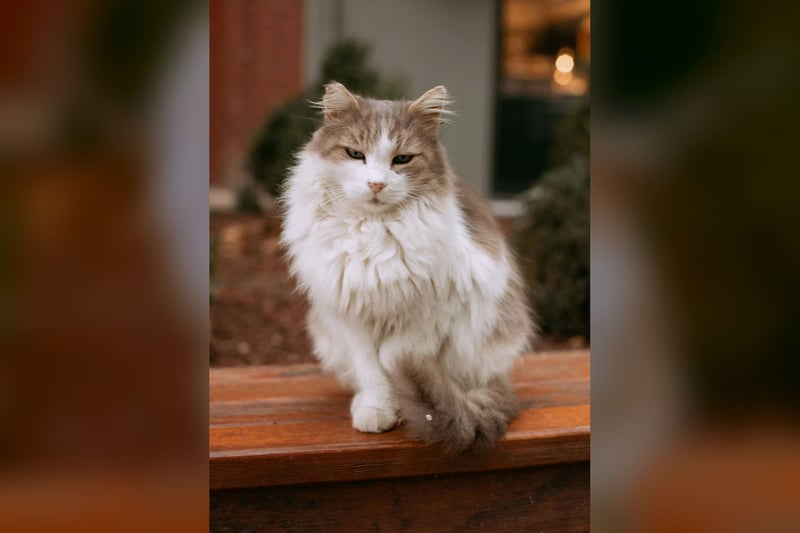
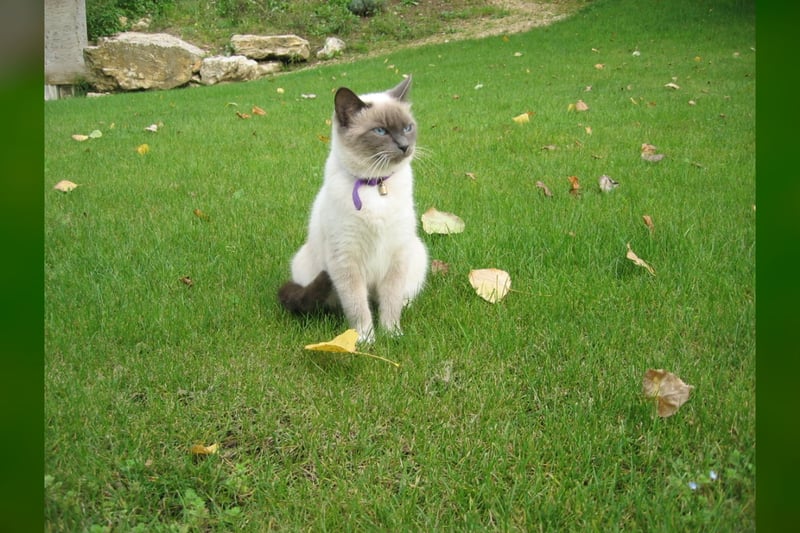
Birman

9

Birman

The Birman, also known as the Sacred Cat of Burma, is a semi-longhaired colorpoint cat recognizable by its four pure white gloves and its deep sapphire eyes. A French breed officially recognized as early as 1925, it holds a steady place near the top of the LOOF's most-registered breeds in France.

3 to 7 kg 14 years
See the profile
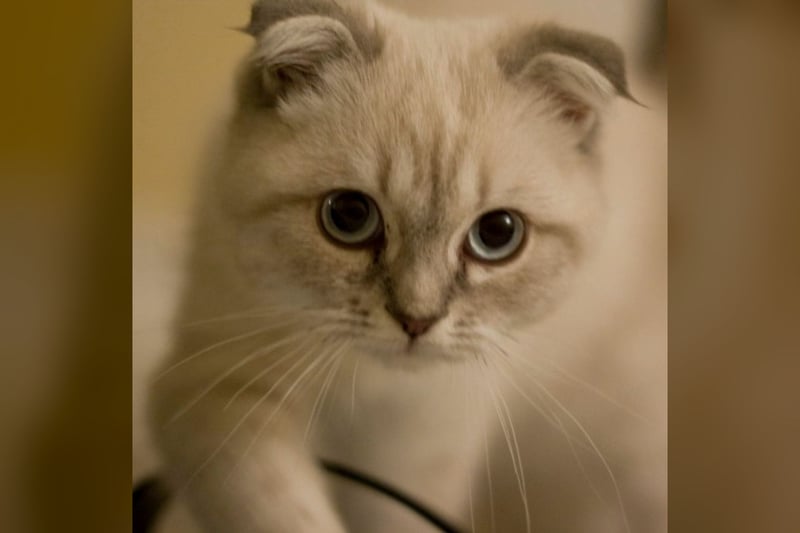
Scottish Fold

10

Scottish Fold

The Scottish Fold was born in 1961 from a spontaneous mutation discovered in Scotland: a queen named Susie had ears that naturally folded forward, giving the breed its spherical silhouette and immediately recognizable owlish expression. Recognized by the LOOF, the CFA and TICA, but refused by the FIFe on ethical grounds, it crystallizes a major veterinary debate: the gene responsible for its folded ears causes an incurable bone and cartilage disease in every carrier.

3 to 6 kg 13 years
See the profile

Practical advice

  • Favor an affection level of 4-5/5 to enjoy the proximity — but avoid the absolute velcro cats (Ragdoll, Sphynx, independence 1/5), which demand continuous attention incompatible with video calls.
  • Set up a heated bed or mat next to the desk: the cat stays present without being intrusive on the work surface.
  • Schedule 2 interactive play sessions of 10-15 min between work blocks: it burns off energy and turns the cat into a calm companion during meetings.
  • Keep a door closed for the bedroom/important video calls — even the breeds recommended here can meow at the door if they're used to constant presence.
  • Adopt a compatible second cat if you work in highly focused blocks (deep work) that don't tolerate interruption.

Frequently asked questions

Will my cat be too demanding when I work from home?
It depends on the breed. The breeds recommended here (Burmese-like, Birman) seek proximity without being intrusive. Conversely, a Sphynx or a Siamese will demand 100% of your attention and disrupt your calls. The rule: 30 min of active daily play + an accessible retreat spot are enough for the well-suited breeds.
Do I need two cats if I work remotely full time?
Not mandatory if the breed you choose handles proximity well (Tonkinese, Burmese, RagaMuffin). It becomes useful if you work in highly focused blocks (deep work) where you can't interact for 2-3 hours straight — a playmate then offsets your cognitive absence.
Will my cat get used to my constant presence and then suffer if I have to go back to the office?
A real risk with very affectionate breeds. To prevent it: don't get the cat used to constant visual monitoring (don't respond to every meow, allow deliberate moments of solitude even while working from home), consider a second cat if an office return is likely, arrange a daily pet-sitter visit if the cat will truly be alone.
Which breeds in this selection are the quietest during video calls?
The Australian Mist, the RagaMuffin, the Birman and the Scottish Fold, all at vocality 2/5: calm presence, level-headed temperament, few vocal comments. The Burmese and the European Burmese, on the other hand, are at 4/5 — very endearing but chatty, worth considering if your mic stays muted. In any case, the cat can jump on the desk during a meeting: the fix is a heated bed at desk height, established as the go-to spot from the moment you sit down — a habit to build in from the start of adoption.
How much does a work-from-home cat cost?
60-100 € a month for the recommended breeds: premium food suited to moderate activity (25-35 €), litter (10-15 €), routine vet provisions (15-30 €), replenished interactive toys (10-20 €/month). No specific remote-work surcharge unless you buy ergonomic equipment for the cat (heated bed, desk perch).
Will my cat be noisy during my calls?
It depends on the breed. Most of the breeds recommended here are at vocality 2-3/5 and won't meow during a meeting if their basic needs (clean litter, food, play) are met; the Burmese and the European Burmese, at 4/5, are the two exceptions to watch. Avoid, on the other hand, breeds at 5/5 (Siamese, Oriental), which meow out of a desire to communicate, even when otherwise satisfied.
Sources