CatMatch My selection FR

Which cat suits a family with children?

10 cat breeds tolerant of children ages 7-15: patient temperament, low vocal level, sturdiness. A reasoned LOOF/FIFe selection.

  1. 1 Maine Coon
  2. 2 Ragdoll
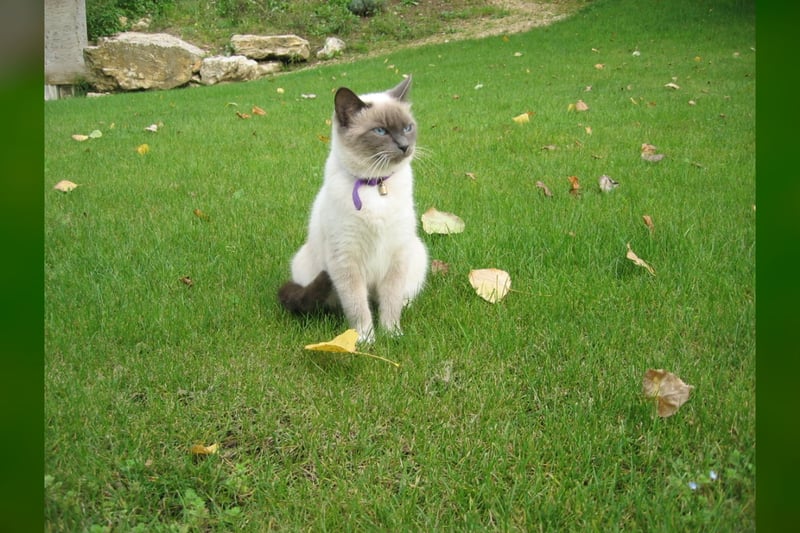
  3. 3 Birman
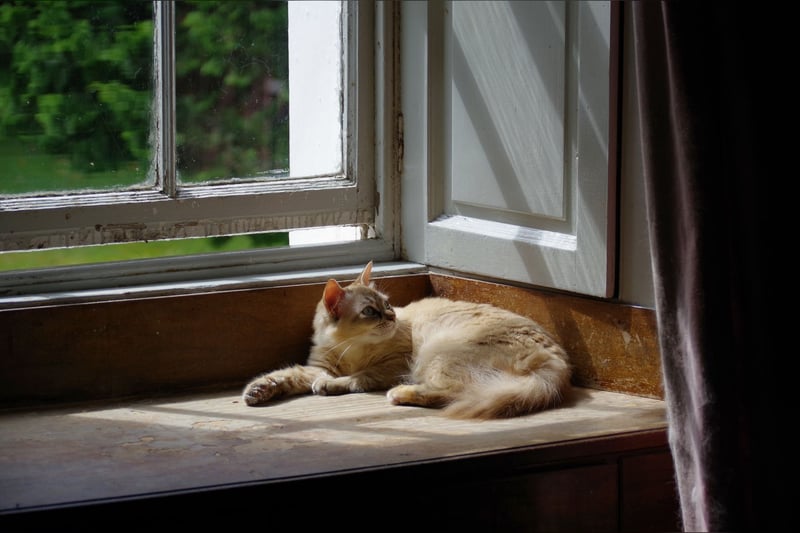
  4. 4 Tiffanie
  5. 5 American Curl
  6. 6 LaPerm
  7. 7 Burmilla
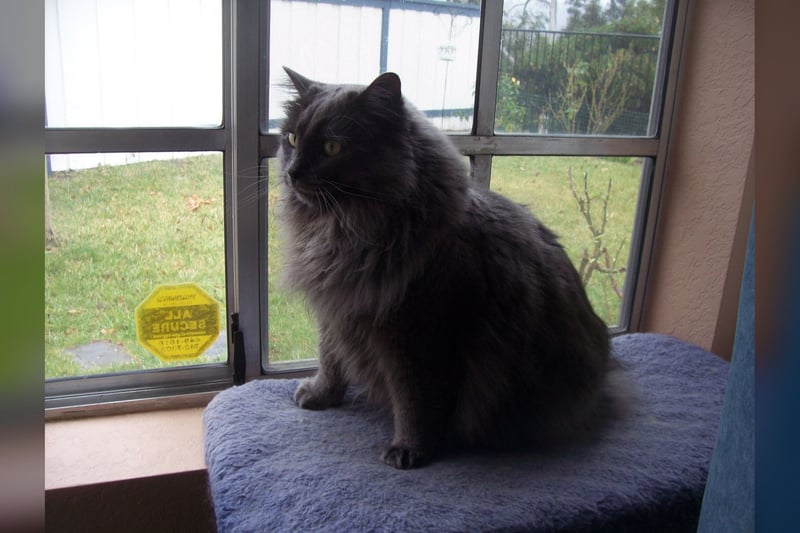
  8. 8 Cymric
  9. 9 American Bobtail
  10. 10 Manx

A family cat tolerates children's handling without scratching or reflexively bolting — that takes a breed with a patient temperament selected over generations. Three criteria really make the difference: tolerance of children of at least 4/5, ideally 5/5 (breeds at 3/5 aren't enough when the children are under 12), good sociability toward strangers (children invite friends over to play), and a sturdy build that can handle sometimes clumsy carrying (a 3 kg Singapura is more fragile than a 7 kg Maine Coon). The Siamese and the Bengal, though vocal and endearing, are not recommended for a first family adoption.

10 recommended breeds

Every portrait opens the full profile: temperament, living conditions, health, budget and cited sources.

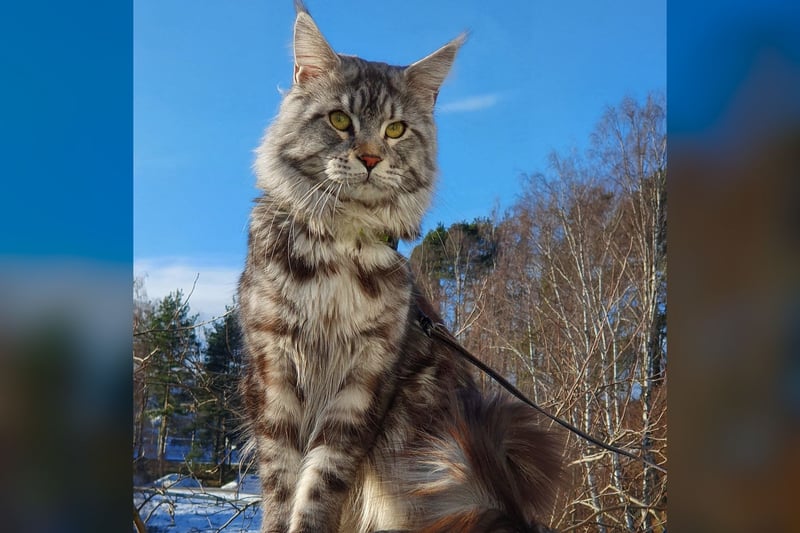
Maine Coon

1

Maine Coon

The Maine Coon is the largest semi-longhaired domestic cat, native to the state of Maine (USA), weighing 5 to 10 kg depending on sex. The number one breed in France at the LOOF since 2012, with more than 26 000 registrations a year, it is nicknamed the "gentle giant" for its calm, sociable temperament despite its imposing frame.

5 to 10 kg 13 years
See the profile
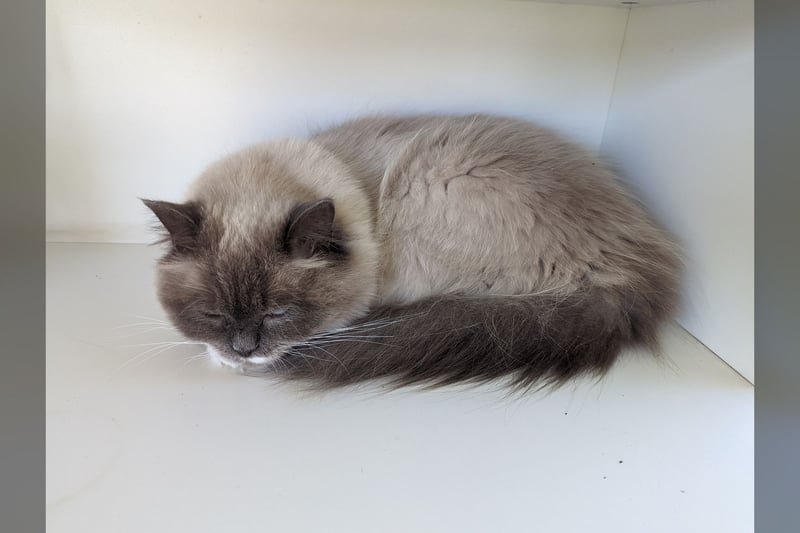
Ragdoll

2

Ragdoll

The Ragdoll is a large semi-longhaired colorpoint cat, developed in the 1960s in California by breeder Ann Baker. Its name — literally "rag doll" — comes from its behavioral quirk: it tends to go completely limp in its owners' arms, becoming as floppy as a plush toy. A popular breed in France with a regular place in the LOOF top 10, it has become one of the default choices for households looking for a calm, gentle, demonstrative cat.

4 to 9 kg 14 years
See the profile
Birman

3

Birman

The Birman, also known as the Sacred Cat of Burma, is a semi-longhaired colorpoint cat recognizable by its four pure white gloves and its deep sapphire eyes. A French breed officially recognized as early as 1925, it holds a steady place near the top of the LOOF's most-registered breeds in France.

3 to 7 kg 14 years
See the profile
Tiffanie

4

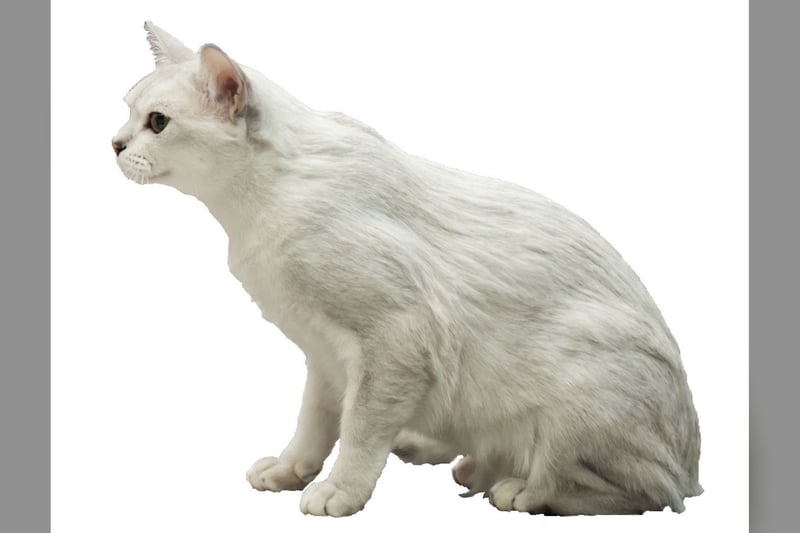
Tiffanie

The Tiffanie is the semi-longhair variant of the British Asian Group — in simple terms, a longhaired Burmilla. Born from the same breeding programs as its shorthaired cousins, it shares their muscular semi-foreign body, their large green eyes rimmed with a natural black outline, and their range of silver or golden colors, but is set apart by a silky semi-long coat, a pronounced ruff and a bushy tail. An extremely rare breed in France, it is more established in the United Kingdom, where the GCCF recognizes it within the Asian Group. Not to be confused with the American Chantilly-Tiffany, a distinct breed with no genetic relationship.

3 to 6 kg 15 years
See the profile
American Curl

5

American Curl

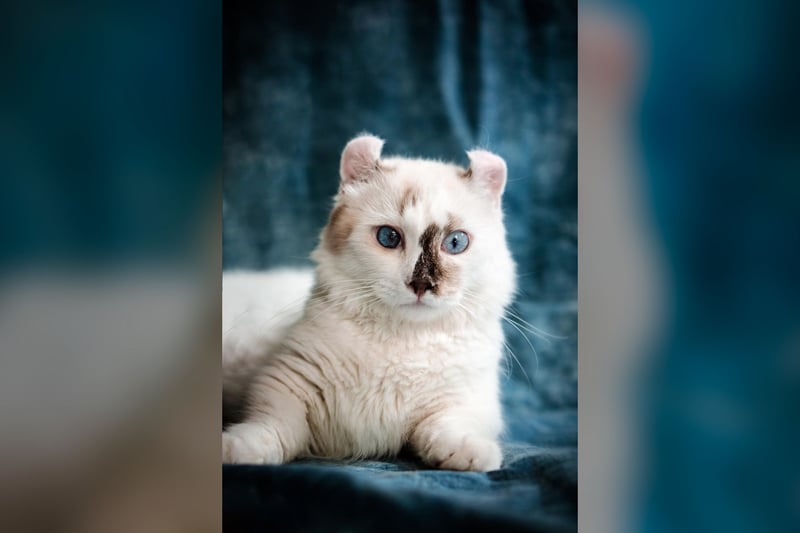
The American Curl was born in 1981 in Lakewood, California, from a stray female cat named Shulamith whose ears curled spontaneously backward — an autosomal dominant mutation of the Cu gene, with no effect on the skeleton or on any other cartilage. Available in two variants (longhair and shorthair), it is characterized by a playful temperament that persists into old age, marked sociability and genetic robustness thanks to its diverse founding base. Recognized by LOOF, the CFA (1991) and FIFe (2002).

3 to 5 kg 14 years
See the profile
LaPerm

6

LaPerm

The LaPerm is an American breed born in 1982 on an Oregon farm, when a farm cat gave birth to a bald kitten that later grew a spectacular curly coat. Its unique dominant mutation produces soft spirals reminiscent of mohair — neither Devon Rex nor Cornish Rex, but an entirely independent genetics. A medium-sized breed (3 to 5 kg), active and curious, it stands out for a sincere human attachment with no need for constant presence, and for robust health with no documented breed-specific conditions.

3 to 5 kg 14 years
See the profile
Burmilla

7

Burmilla

The Burmilla was born in 1981 in England from an accidental cross between a lilac Burmese and a Chinchilla Persian. Its silver or golden coat with shaded tips, its large green eyes rimmed with a natural black outline, and its muscular semi-foreign body make it an immediately recognizable breed. Moderately common in France — more widespread in the United Kingdom — it is registered with the LOOF under the Asian and Burmilla category.

3 to 6 kg 15 years
See the profile
Cymric

8

Cymric

The Cymric is the semi-longhair version of the Manx, carrying the same taillessness mutation that arose on the Isle of Man. Its stocky cobby body, raised hindquarters and distinctive gait make it instantly recognizable. The breed carries a serious genetic stake: the gene responsible for taillessness is lethal in the homozygous state, and a proportion of kittens develop Manx syndrome, an irreversible spinal and neurological condition. Breeding it requires rigorous selection and early veterinary monitoring.

3 to 5.5 kg 13 years
See the profile
American Bobtail

9

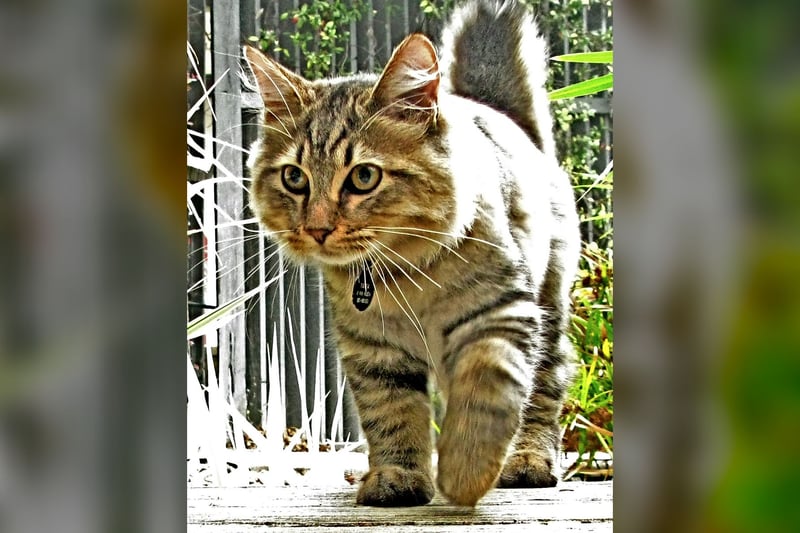
American Bobtail

The American Bobtail is a large semi-cobby breed with a naturally short tail, born from an autosomal dominant mutation distinct from the Manx's and the Japanese Bobtail's. Originating in Arizona in the 1960s, it exists in two coat variants — shorthair and longhair — and stands out for a temperament particularly oriented toward people, whom it follows from room to room and with whom it communicates through characteristic chirps and trills.

3 to 9 kg 14 years
See the profile
Manx

10

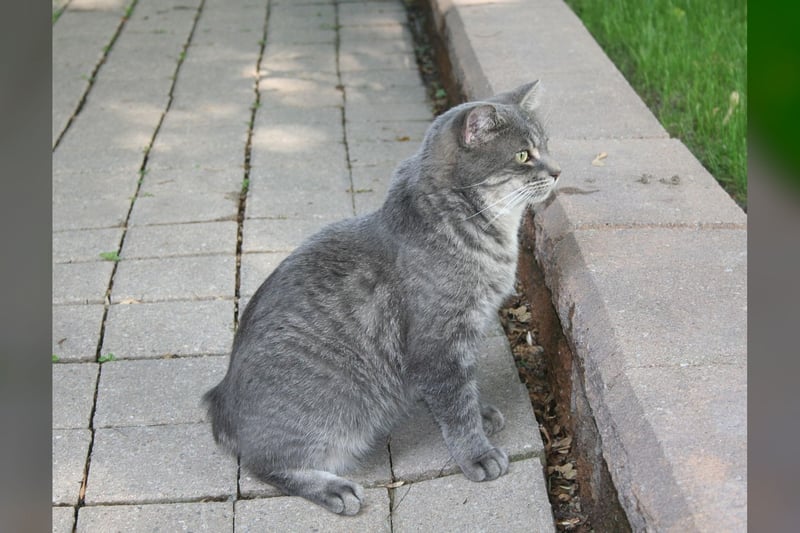
Manx

The Manx is an ancient breed originating from the Isle of Man, known worldwide for its total absence of a tail or its variable stub, its very round cobby silhouette and its characteristic rabbit-like gait. Sociable, intelligent and attached to its people, it carries a dominant gene whose double dose is lethal — which calls for rigorous breeding and attentive veterinary follow-up.

3.5 to 5.5 kg 13 years
See the profile

Practical advice

  • Prefer a kitten adopted between 9 and 12 weeks: socialization to children must start during the sensitive period (3-7 weeks at the breeder's, continued at home).
  • Set up a refuge zone off-limits to children (up high, behind a piece of furniture) where the cat can retreat without being followed.
  • Teach the children 3 rules: don't wake him, don't carry him by the legs, don't approach him while he's eating.
  • With young children, favor breeds rated 5/5 for tolerance of children (Maine Coon, Ragdoll, Birman, American Bobtail); the 4/5 breeds in this selection work well once the child can follow the rules.
  • A second cat is often a good option: a playmate of the same species shields the cat from excessive attention from the children.

Frequently asked questions

From what age can a child live with a cat?
From birth, under the right conditions, but meaningful child-cat interaction starts around age 3-4 (once the child understands rules). For a first adoption, waiting until the youngest child is 7 is more relaxed — children aged 0-6 need constant supervision.
Is the Maine Coon really suited to children?
Yes — it's one of the breeds most often cited for families. Its build (5-10 kg) makes it sturdy against handling, its 'dog-like' temperament tolerates play, and its intelligence lets it defuse conflict rather than scratch.
Do you need two cats if you have several children?
Generally yes, especially if the children are 2-3 years apart and each wants 'their own' cat. Favor two littermate kittens of the same breed (Maine Coon, Ragdoll) introduced together — the dynamic is simpler than a late introduction.
How much does a family cat cost per month?
Expect 60-100 € a month for the breeds recommended here: premium food suited to a large build (30-40 €), litter (10-20 €), routine vet care (20-40 €). Semi-longhaired breeds add 10-15 € of grooming if you use a professional twice a year.
My child is allergic: what's the alternative?
See the dedicated Cat for Allergy Sufferers page: only the Sphynx, the Donskoy and the Peterbald are classified there as strictly hypoallergenic, thanks to having no coat to disperse Fel d 1. No registry, including the LOOF, issues this label. The Siberian, Neva Masquerade, Russian Blue, Cornish Rex and Bengal are sometimes better tolerated, but this depends on the cat and the person, never on the breed alone: a mandatory contact test before committing the family.
Which breed should you avoid with children?
Two profiles are problematic. Very vocal breeds (Siamese, Oriental Shorthair, Balinese) add noise to an already loud household and don't cope well with children's unpredictability. Hyperactive breeds (Bengal, Abyssinian, Savannah) demand daily stimulation that a busy family rarely sustains over time — the understimulated cat then becomes the problem.
Sources