CatMatch My selection FR

Which cat suits a calm, quiet life?

9 even-tempered cat breeds: low vocality, moderate energy, independence. Ideal for a peaceful household. A LOOF/FIFe selection.

  1. 1 Russian Blue
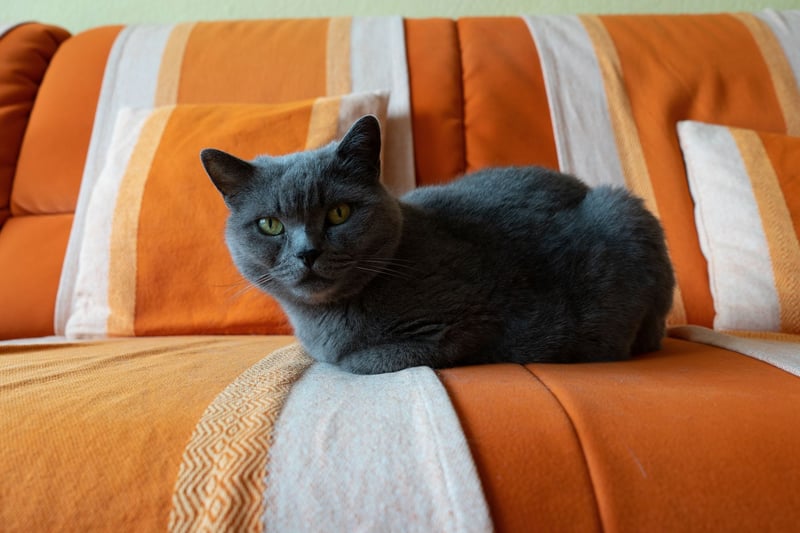
  2. 2 Chartreux
  3. 3 British Shorthair
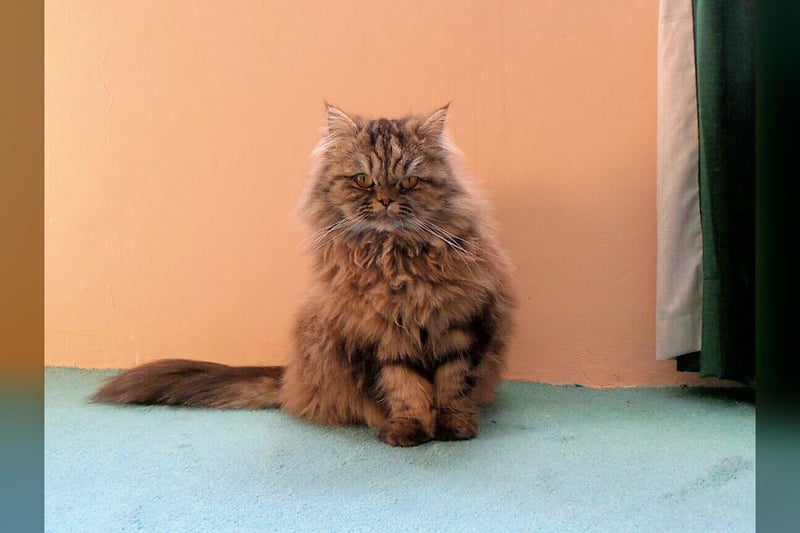
  4. 4 British Longhair
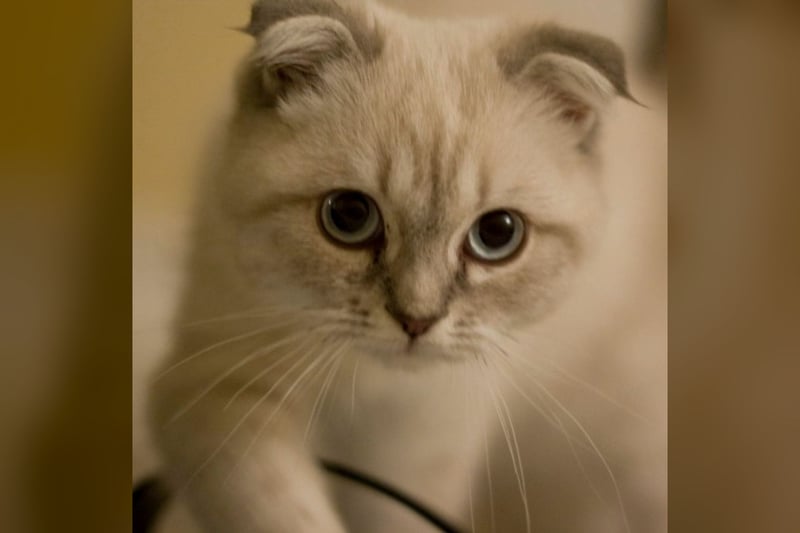
  5. 5 Scottish Fold
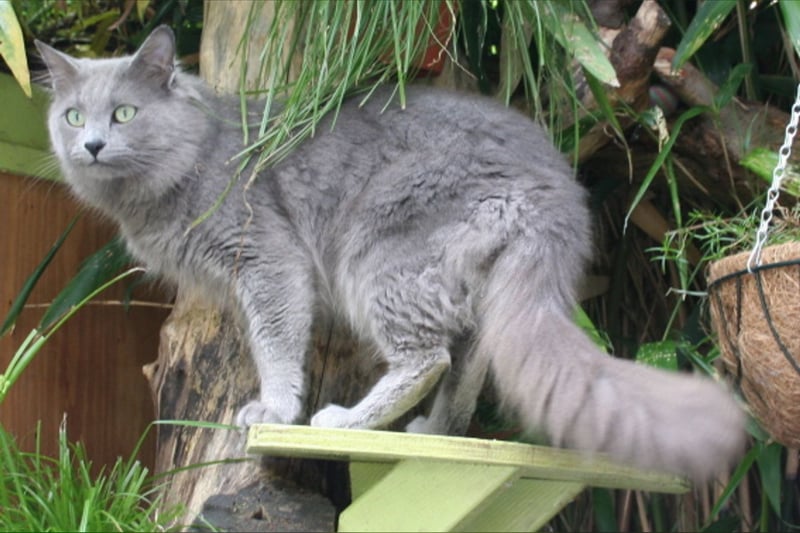
  6. 6 Nebelung
  7. 7 RagaMuffin
  8. 8 Birman
  9. 9 Highland Fold

Not all cats are calm — that's an illusion kept alive by pictures of sleeping cats on Instagram. Siamese, Oriental, Bengal and Abyssinian cats, on the contrary, are lively, vocal, demanding animals that turn a peaceful household into an environment of constant stimulation. For a genuinely calm life, three criteria are essential: vocality of 2/5 maximum (a Siamese, at 5/5, comments on its day from wake-up to bedtime), energy of 3/5 maximum (a Bengal demands 2-3 simulated hunting sessions a day), and a temperament suited to prolonged inactivity (some breeds develop anxiety if they're not stimulated). Few breeds truly check all these boxes, mainly cats from the 'quiet' families: British, Chartreux, Russian Blue, Birman, RagaMuffin.

9 recommended breeds

Every portrait opens the full profile: temperament, living conditions, health, budget and cited sources.

Russian Blue

1

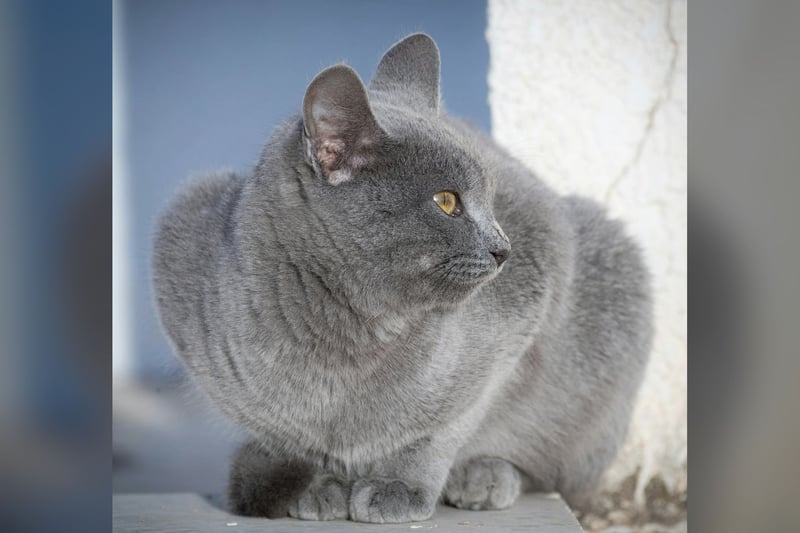
Russian Blue

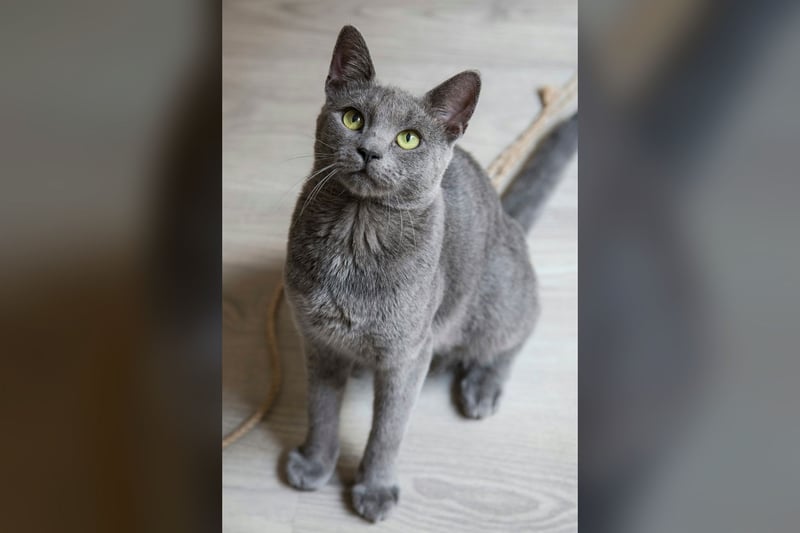
The Russian Blue is the historic and longest-recognized color variant of the Russian breed, native to the port of Arkhangelsk in northwestern Russia. First shown at the Crystal Palace in London in 1872 under the name "Archangel Blue," it is recognized today by every major cat federation worldwide — FIFe, TICA, CFA, GCCF and LOOF. Its silvery-blue coat with a pearly sheen, its intense green eyes and its short plush double coat are the immediately recognizable markers of a breed with a discreet, devoted, observant temperament.

3.5 to 7 kg 15 years
See the profile
Chartreux

2

Chartreux

The Chartreux is one of the few cat breeds native to France, developed in the 1930s and officially recognized in 1939. Recognizable by its solid blue coat — ranging from lavender-gray to deep slate — and its intense gold to copper eyes, it ranks among the top 10 most registered breeds at the LOOF, with around 2,000 pedigrees a year. Its legendary discretion, its watchful character and its expression suggesting a permanent "smile" have made it one of the emblematic representatives of French cat fancying.

4 to 7 kg 14 years
See the profile
British Shorthair

3

British Shorthair

The British Shorthair is one of the oldest cat breeds in Europe, descended from cats brought to Great Britain by the Roman legions. A top-3 breed in France at the LOOF, it is recognizable by its perfectly round head, chubby cheeks and short, dense coat. Nicknamed the "British gentleman" of the cat world, it combines calm, dignity and measured affection.

4 to 8 kg 14 years
See the profile
British Longhair

4

British Longhair

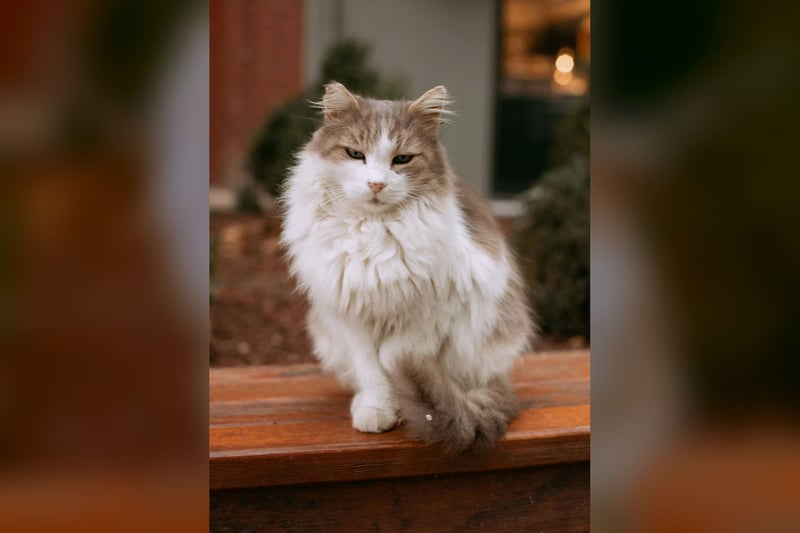
The British Longhair is the semi-longhaired variant of the British Shorthair, born from the reappearance of the recessive long-hair gene introduced through crosses with the Persian after the World Wars. Recognized separately by the LOOF in 2000, then by TICA and the WCF in 2009, it shares the same cobby build and the same placid temperament as its shorthaired cousin, with the bonus of a dense, silky coat that gives it a quietly elegant bearing.

3 to 8 kg 13 years
See the profile
Scottish Fold

5

Scottish Fold

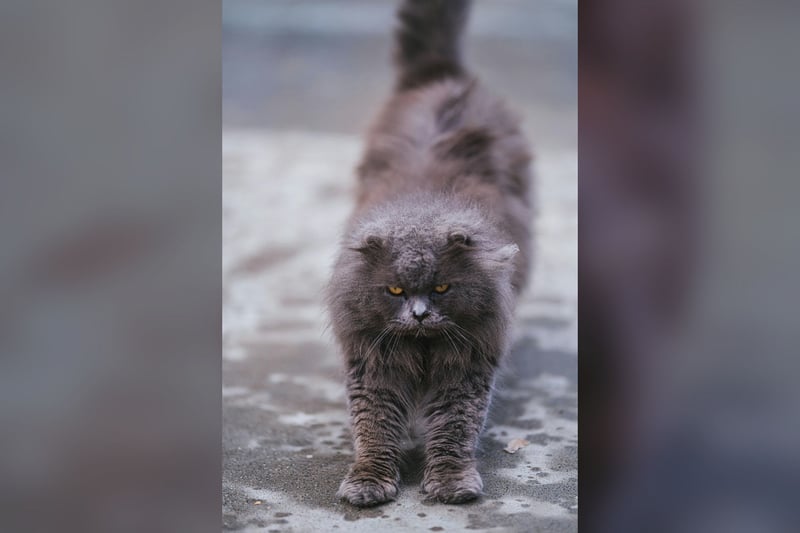
The Scottish Fold was born in 1961 from a spontaneous mutation discovered in Scotland: a queen named Susie had ears that naturally folded forward, giving the breed its spherical silhouette and immediately recognizable owlish expression. Recognized by the LOOF, the CFA and TICA, but refused by the FIFe on ethical grounds, it crystallizes a major veterinary debate: the gene responsible for its folded ears causes an incurable bone and cartilage disease in every carrier.

3 to 6 kg 13 years
See the profile
Nebelung

6

Nebelung

The Nebelung — German for "creature of the mist" — is the semi-longhair variant of the Russian Blue, produced by the expression of a recessive semi-long gene. Developed in the United States in the 1980s, it has been recognized in championship by TICA since 1997 and registered with the LOOF, where its numbers remain small. Its soft, semi-long silver-blue coat with pearly highlights, its intense green eyes and its quiet, contemplative temperament make it a discreet cat of deep loyalty toward its own people.

3.5 to 6.5 kg 15 years
See the profile
RagaMuffin

7

RagaMuffin

The RagaMuffin is a large semi-longhaired cat that emerged in the early 1990s in the United States, born of a deliberate split by breeders who broke away from the Ragdoll circle. Recognized in championship status by the CFA in 2011, it stands apart from its ancestor with an unrestricted color palette — every coat is admitted except colorpoints, reserved for breeding programs — and a slightly larger build (males up to 9 kg). Its central character trait is a complete muscular go-limp in the arms, extreme docility and a strong emotional dependence on its people. Still a little-known breed in France compared with the Ragdoll, it is steadily climbing the rankings of interest for households looking for a large cuddly cat.

4 to 9 kg 14 years
See the profile
Birman

8

Birman

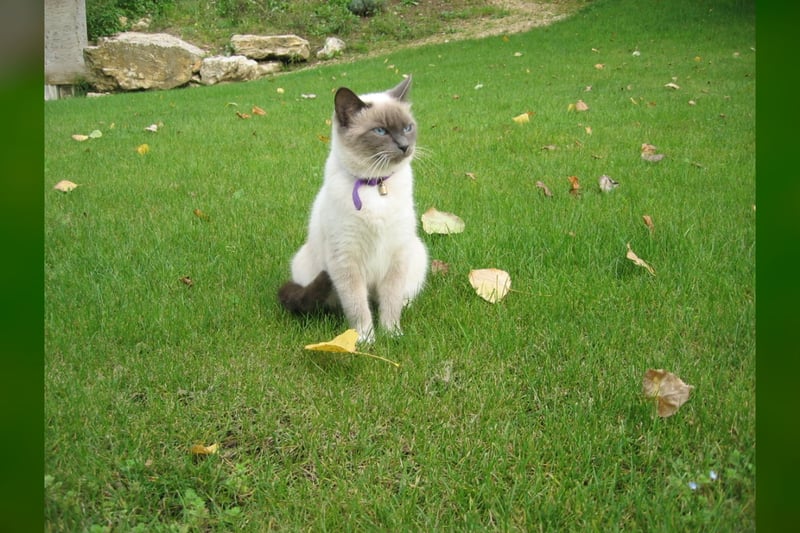
The Birman, also known as the Sacred Cat of Burma, is a semi-longhaired colorpoint cat recognizable by its four pure white gloves and its deep sapphire eyes. A French breed officially recognized as early as 1925, it holds a steady place near the top of the LOOF's most-registered breeds in France.

3 to 7 kg 14 years
See the profile
Highland Fold

9

Highland Fold

The Highland Fold is the semi-longhair variant of the Scottish Fold: the same cobby build, the same folded ears from the dominant Fd gene, the same placid temperament — but a dense, silky coat that needs regular brushing. It appeared as early as the first litters of Susie (1961), and is recognized by the LOOF, TICA (as the Scottish Fold Longhair from 1987-88) and the CFA (1993-94). Like its shorthair twin, it carries the same Fd gene and therefore the same incurable bone disease — feline osteochondrodysplasia — which makes it one of the most ethically debated breeds in the international veterinary community.

3 to 6 kg 13 years
See the profile

Practical advice

  • Check vocality first (2/5 maximum): an overly talkative cat defeats the whole idea of a calm life.
  • Favor the most independent breeds (Chartreux, British Shorthair and British Longhair at 4/5; Russian Blue, Nebelung, Scottish Fold and Highland Fold at 3/5): they occupy themselves while you read, watch a film, or meditate. The RagaMuffin and the Birman are just as quiet but demand more of your presence.
  • Absolutely avoid so-called 'dog-like' breeds (Siamese, Sphynx, Burmese) if calm is your priority — they demand constant interaction.
  • Set up a raised, quiet resting spot: calm cats appreciate perches with a clear view.
  • Preferably adopt an adult whose temperament is already set, or a breeder kitten whose parents you were able to observe: an unobserved cat can reveal a vocality nothing led you to expect.

Frequently asked questions

Are all cats calm?
No — it's a persistent myth. Vocality and energy vary enormously from one breed to another: a Siamese (vocality 5/5) meows dozens of times a day, on a register that carries through walls, and a Bengal (energy 5/5) racks up several hours of daily activity. Choosing a suitable breed avoids years of frustration.
Is the Russian Blue really quiet?
Yes — vocality 2/5, among the most discreet breeds in the catalog. It communicates mainly through looks, postures, and modulated purring. A few soft meows for essential needs (hunger, dirty litter) but never protest cries like a Siamese.
Should you avoid females if you want calm?
Not particularly. Neutering, on the other hand, is decisive: an intact male marks his territory with urine and vocalizes as soon as a female is in heat nearby, and an intact female goes through one noisy heat cycle after another throughout the breeding season. Neutered, cats of the breeds recommended here are, in the vast majority, peaceful — individual temperament always plays a part.
Will my calm cat stay calm into adulthood?
Yes, for the breeds recommended here — their temperament is stable from one generation to the next. The most active period runs from 4 to 18 months, after which the cat 'settles down.' A 3-year-old Russian Blue won't become hyperactive at 6.
How can you check vocality before adoption?
Ask the breeder to film the kitten and its parents for 5-10 minutes — vocality becomes immediately apparent. Also ask to see the everyday living conditions (a serious breeder never hides their cats). An in-person visit is recommended before signing.
Are older cats calmer?
Generally yes — physical activity declines from age 8-10. But vocality can actually increase in a senior cat affected by cognitive decline (the feline equivalent of Alzheimer's): nighttime meowing, disorientation. An annual vet checkup catches these issues early.
Sources