CatMatch My selection FR

Which cat suits apartment living?

9 cat breeds suited to strictly indoor apartment life: calm, quiet, no need for outdoor access. A reasoned LOOF/FIFe selection.

  1. 1 Russian Blue
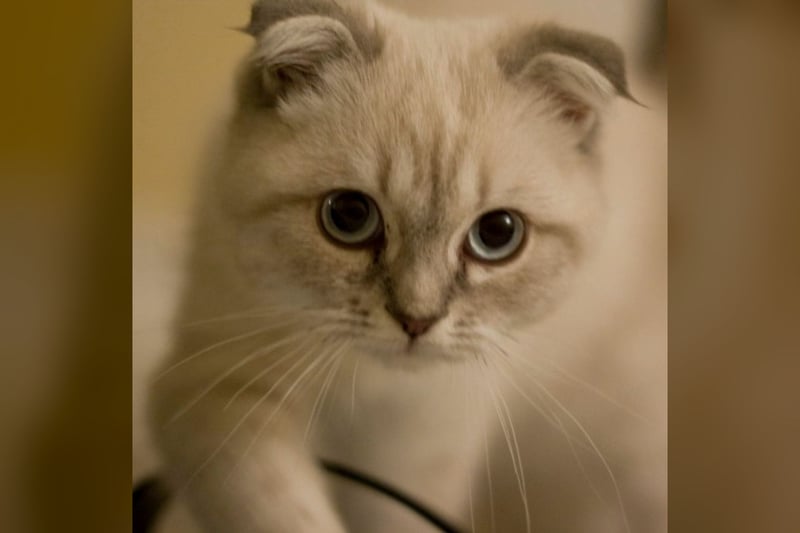
  2. 2 Scottish Fold
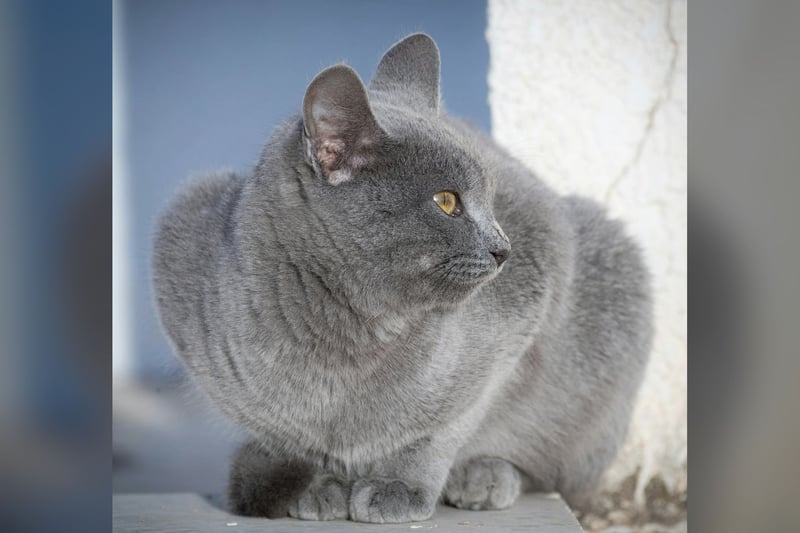
  3. 3 Chartreux
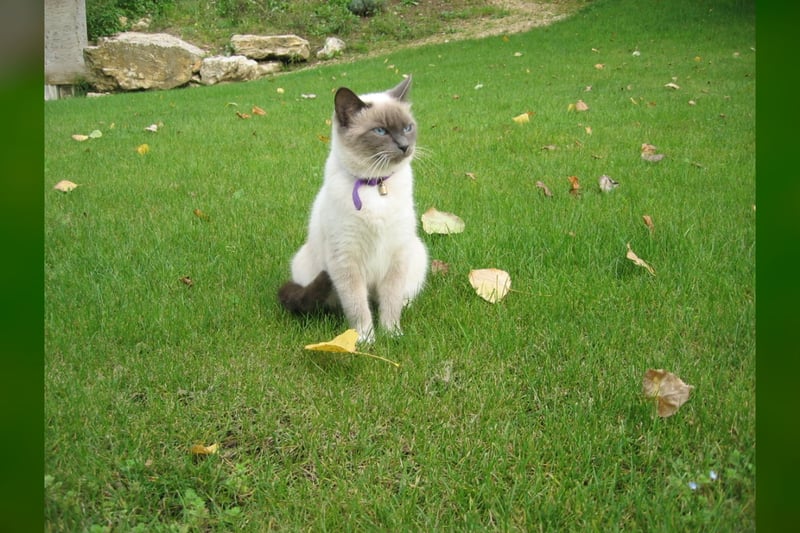
  4. 4 Birman
  5. 5 British Longhair
  6. 6 RagaMuffin
  7. 7 Nebelung
  8. 8 Highland Fold
  9. 9 British Shorthair

An apartment cat spends its whole life within four walls: temperament and activity needs matter more than size. The breeds that truly adapt share three traits — a moderate energy level, a low voice (a Siamese in a studio turns the night into a concert), and a real ability to tolerate confinement without developing compensatory disorders (overgrooming, aggression, excessive vocalizing). Bengals, Abyssinians and Savannahs, for all their visual appeal, are best avoided in a strictly indoor apartment — their hunting instinct and exercise needs are not negotiable. Conversely, some breeds have been selected over centuries for close cohabitation with people: Chartreux, Russian Blue, Scottish Fold, British. This page gathers the 9 strongest candidates in the CatMatch catalog for that profile.

9 recommended breeds

Every portrait opens the full profile: temperament, living conditions, health, budget and cited sources.

Russian Blue

1

Russian Blue

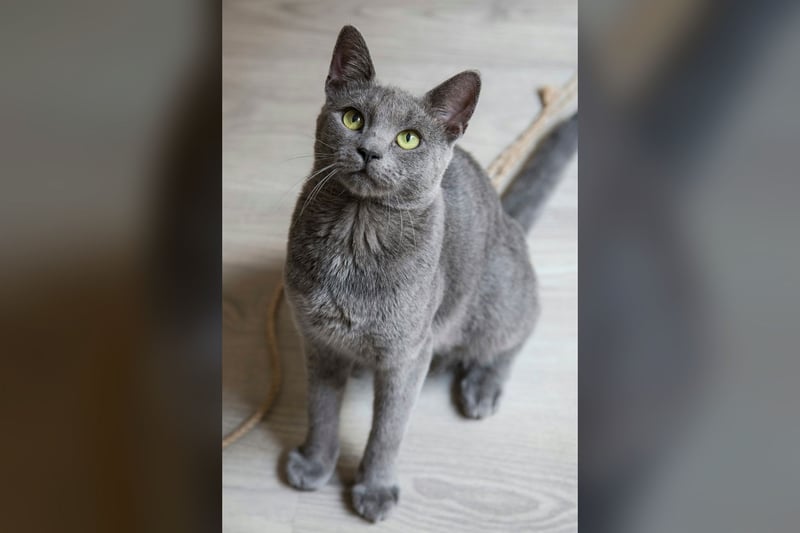
The Russian Blue is the historic and longest-recognized color variant of the Russian breed, native to the port of Arkhangelsk in northwestern Russia. First shown at the Crystal Palace in London in 1872 under the name "Archangel Blue," it is recognized today by every major cat federation worldwide — FIFe, TICA, CFA, GCCF and LOOF. Its silvery-blue coat with a pearly sheen, its intense green eyes and its short plush double coat are the immediately recognizable markers of a breed with a discreet, devoted, observant temperament.

3.5 to 7 kg 15 years
See the profile
Scottish Fold

2

Scottish Fold

The Scottish Fold was born in 1961 from a spontaneous mutation discovered in Scotland: a queen named Susie had ears that naturally folded forward, giving the breed its spherical silhouette and immediately recognizable owlish expression. Recognized by the LOOF, the CFA and TICA, but refused by the FIFe on ethical grounds, it crystallizes a major veterinary debate: the gene responsible for its folded ears causes an incurable bone and cartilage disease in every carrier.

3 to 6 kg 13 years
See the profile
Chartreux

3

Chartreux

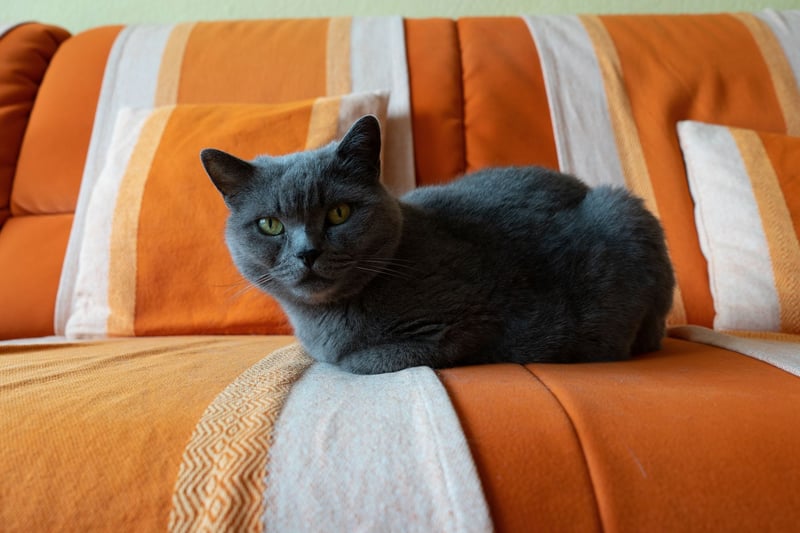
The Chartreux is one of the few cat breeds native to France, developed in the 1930s and officially recognized in 1939. Recognizable by its solid blue coat — ranging from lavender-gray to deep slate — and its intense gold to copper eyes, it ranks among the top 10 most registered breeds at the LOOF, with around 2,000 pedigrees a year. Its legendary discretion, its watchful character and its expression suggesting a permanent "smile" have made it one of the emblematic representatives of French cat fancying.

4 to 7 kg 14 years
See the profile
Birman

4

Birman

The Birman, also known as the Sacred Cat of Burma, is a semi-longhaired colorpoint cat recognizable by its four pure white gloves and its deep sapphire eyes. A French breed officially recognized as early as 1925, it holds a steady place near the top of the LOOF's most-registered breeds in France.

3 to 7 kg 14 years
See the profile
British Longhair

5

British Longhair

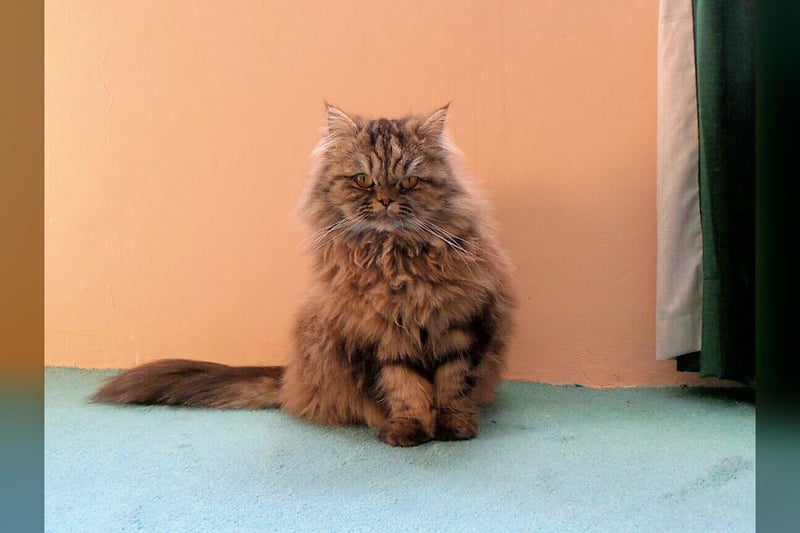
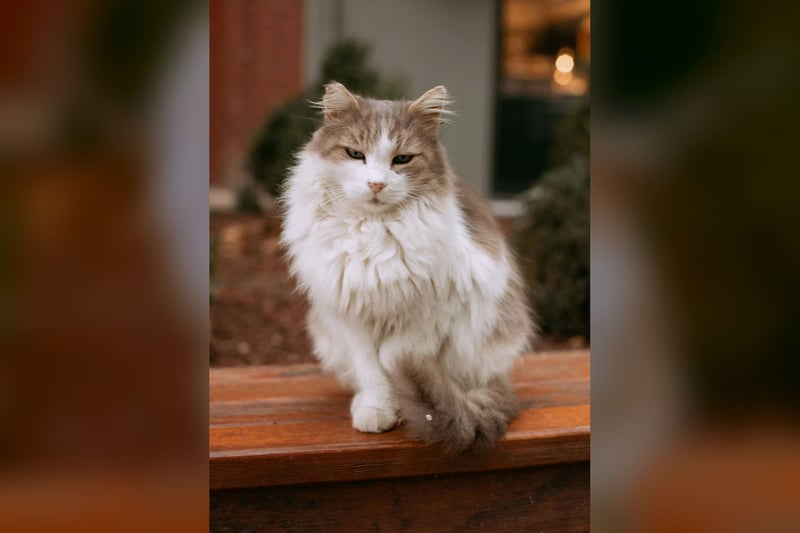
The British Longhair is the semi-longhaired variant of the British Shorthair, born from the reappearance of the recessive long-hair gene introduced through crosses with the Persian after the World Wars. Recognized separately by the LOOF in 2000, then by TICA and the WCF in 2009, it shares the same cobby build and the same placid temperament as its shorthaired cousin, with the bonus of a dense, silky coat that gives it a quietly elegant bearing.

3 to 8 kg 13 years
See the profile
RagaMuffin

6

RagaMuffin

The RagaMuffin is a large semi-longhaired cat that emerged in the early 1990s in the United States, born of a deliberate split by breeders who broke away from the Ragdoll circle. Recognized in championship status by the CFA in 2011, it stands apart from its ancestor with an unrestricted color palette — every coat is admitted except colorpoints, reserved for breeding programs — and a slightly larger build (males up to 9 kg). Its central character trait is a complete muscular go-limp in the arms, extreme docility and a strong emotional dependence on its people. Still a little-known breed in France compared with the Ragdoll, it is steadily climbing the rankings of interest for households looking for a large cuddly cat.

4 to 9 kg 14 years
See the profile
Nebelung

7

Nebelung

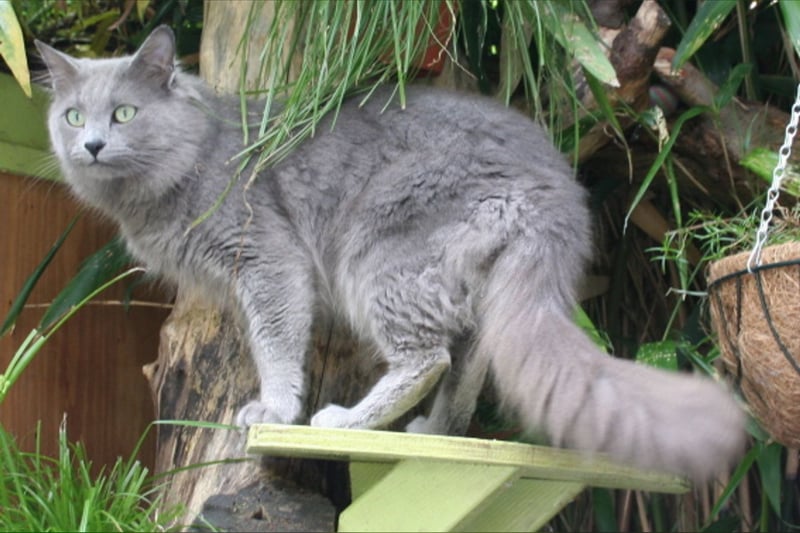
The Nebelung — German for "creature of the mist" — is the semi-longhair variant of the Russian Blue, produced by the expression of a recessive semi-long gene. Developed in the United States in the 1980s, it has been recognized in championship by TICA since 1997 and registered with the LOOF, where its numbers remain small. Its soft, semi-long silver-blue coat with pearly highlights, its intense green eyes and its quiet, contemplative temperament make it a discreet cat of deep loyalty toward its own people.

3.5 to 6.5 kg 15 years
See the profile
Highland Fold

8

Highland Fold

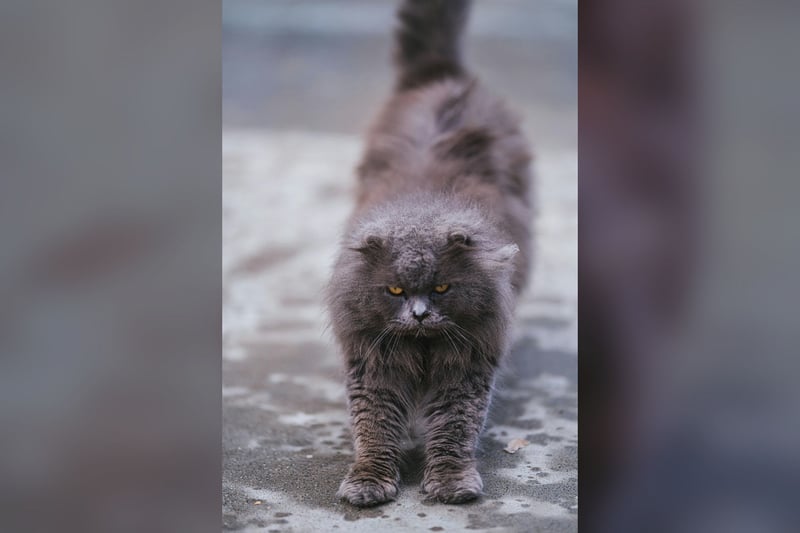
The Highland Fold is the semi-longhair variant of the Scottish Fold: the same cobby build, the same folded ears from the dominant Fd gene, the same placid temperament — but a dense, silky coat that needs regular brushing. It appeared as early as the first litters of Susie (1961), and is recognized by the LOOF, TICA (as the Scottish Fold Longhair from 1987-88) and the CFA (1993-94). Like its shorthair twin, it carries the same Fd gene and therefore the same incurable bone disease — feline osteochondrodysplasia — which makes it one of the most ethically debated breeds in the international veterinary community.

3 to 6 kg 13 years
See the profile
British Shorthair

9

British Shorthair

The British Shorthair is one of the oldest cat breeds in Europe, descended from cats brought to Great Britain by the Roman legions. A top-3 breed in France at the LOOF, it is recognizable by its perfectly round head, chubby cheeks and short, dense coat. Nicknamed the "British gentleman" of the cat world, it combines calm, dignity and measured affection.

4 to 8 kg 14 years
See the profile

Practical advice

  • Favor breeds with an energy level of 2-3 out of 5: an over-energetic cat in an apartment develops behavioral problems within 6 to 12 months.
  • Check the vocal level (2/5 maximum in a shared building): a very vocal cat can trigger complaints from neighbors.
  • Set up at least 1 vertical cat tree + 2 high perches per 30 m²: height makes up for the missing floor area.
  • Litter box in a quiet spot away from feeding areas, changed 1 to 2 times a week: an apartment cat always uses the same box (there is no alternative).
  • Plan 15-20 minutes of interactive play a day with a wand toy or laser: this is non-negotiable, even for calm breeds.

Frequently asked questions

What is the minimum floor area for an apartment cat?
There is no legal threshold, but 25 m² is the comfortable minimum for a single cat. Below that, favor a calm temperament and a moderate frame: Russian Blue, Chartreux. Height (cat trees, wall shelves) makes up for the missing floor area far better than picking a small cat does.
Do you absolutely need two cats in an apartment?
No, contrary to a common belief. Most of the breeds recommended here (Chartreux, Russian Blue, British) live very well on their own and are only moderately tolerant of their own kind — a second cat can actually create territorial stress. Only consider a pair with a breed that is sociable with other cats, and introduce them gradually.
Will my apartment cat get bored?
Not if three conditions are met: daily human interaction (15-20 min of active play), an enriched environment (perches, rotating toys), and a suitable breed. A Bengal or an Abyssinian will get bored; a Chartreux or a Persian is perfectly happy with a stable environment.
How much does an apartment cat cost per month?
Expect 50-100 € a month for the breeds recommended here: premium food (20-40 €), litter (10-20 €), routine vet care spread over the year (20-40 €). Semi-longhaired breeds (Birman, British Longhair) add 10-15 € of grooming if you use a professional twice a year.
Should an apartment cat be walked on a harness?
Not as a rule. The breeds recommended here do not ask for the outdoors — forcing them out on a harness can create stress instead. Keep the harness for cats that ask for it (scratching at the door, sustained vocalizing at the window) and introduce it young.
Which breed should I choose if I get home late every evening?
Favor the most independent of this selection (4/5): Chartreux, British Shorthair, British Longhair. The Russian Blue, Scottish Fold, Nebelung and Highland Fold sit one notch below (3/5) and cope with days alone without being entirely detached. Avoid the RagaMuffin and the Birman (2/5), which handle long solitude poorly.
Are long-haired cats a bad idea in an apartment?
Not at all. Birman, British Longhair, Nebelung and Highland Fold are perfectly suited. The only prerequisite is weekly brushing (5-10 minutes) to prevent mats. True long coats are another scale entirely: a Persian needs daily brushing, which is a different commitment.
Sources

  • LOOF — Standards of recognized breeds · The official French reference for recognized breeds, used to validate standardized morphology and temperament.
  • FIFe — Breed Standards · European federation, aligned with the LOOF on most breeds. Reference for sub-varieties (Russian White/Blue/Black, for example).
  • Bradshaw, J. — Cat Sense · Scientific synthesis on domestic cat behavior, the basis for the recommendations on confinement and stimulation needs.