CatMatch My selection FR

Which cat suits living with a dog?

10 dog-tolerant cat breeds: high cross-species sociability, calm temperament. A reasoned LOOF/FIFe selection.

  1. 1 Ragdoll
  2. 2 Donskoy
  3. 3 Sphynx
  4. 4 Birman
  5. 5 RagaMuffin
  6. 6 Siberian
  7. 7 Maine Coon
  8. 8 Neva Masquerade
  9. 9 American Curl
  10. 10 LaPerm

Cat-dog cohabitation succeeds or fails mainly on the cat's temperament — a sociable adult dog adapts to most cats, but a dog-averse cat will stay anxious for life. Three criteria make the difference: tolerance of other species of at least 4/5 (breeds at 3/5 tolerate it, but without enjoying it), high general sociability including toward strangers, and a sturdy build compatible with a dog's play style (an active dog gets along better with a Maine Coon than with a slight cat). The CatMatch questionnaire automatically screens out breeds below 3/5 if you tick 'dogs' in your profile — the ones featured here are all at 4/5 or above.

10 recommended breeds

Every portrait opens the full profile: temperament, living conditions, health, budget and cited sources.

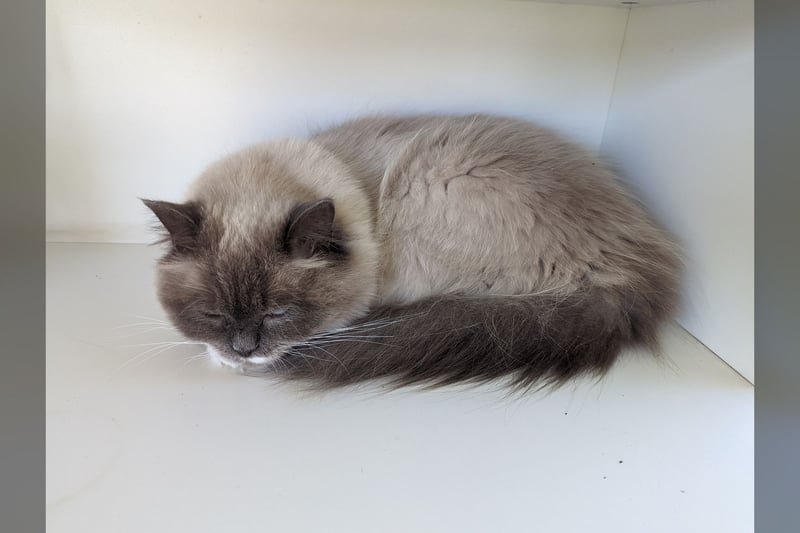
Ragdoll

1

Ragdoll

The Ragdoll is a large semi-longhaired colorpoint cat, developed in the 1960s in California by breeder Ann Baker. Its name — literally "rag doll" — comes from its behavioral quirk: it tends to go completely limp in its owners' arms, becoming as floppy as a plush toy. A popular breed in France with a regular place in the LOOF top 10, it has become one of the default choices for households looking for a calm, gentle, demonstrative cat.

4 to 9 kg 14 years
See the profile
Donskoy

2

Donskoy

The Donskoy is a hairless Russian cat born from a dominant genetic mutation discovered in 1987 in Rostov-on-Don — a gene distinct from the Canadian Sphynx's, which makes it a breed in its own right rather than a derivative. Its wrinkled skin, large flared ears and almond eyes give it the look of an ancient creature, while its temperament is that of an ultra-affectionate, tactile cat, unable to cope with solitude. The direct ancestor of the Peterbald, it comes in four coat variants ranging from fully hairless to a curly brush coat, and requires rigorous weekly skin care.

3.5 to 5.5 kg 13 years
See the profile
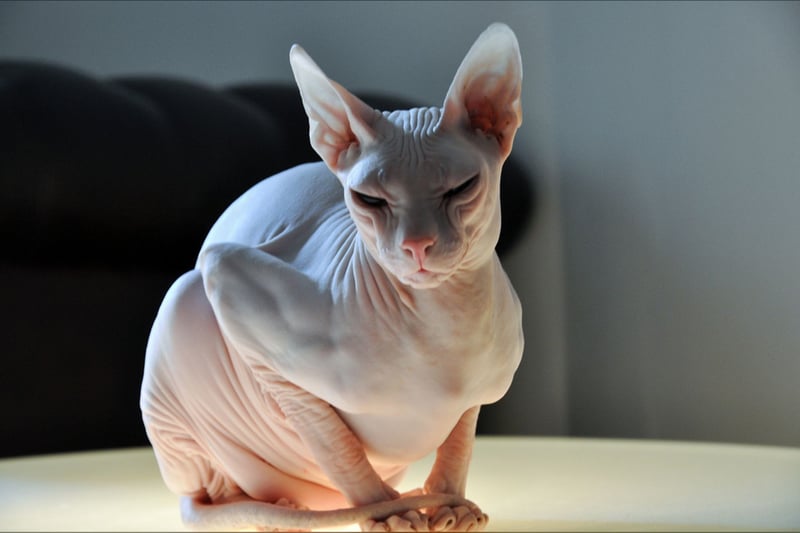
Sphynx

3

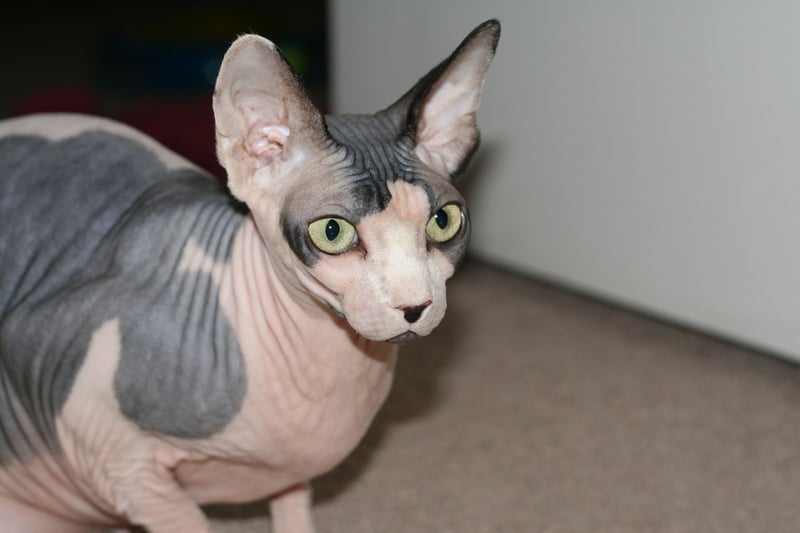
Sphynx

The Sphynx is the best-known hairless cat breed in the world, born from a spontaneous genetic mutation in Toronto in 1966. Permanently glued to its owners, unable to bear solitude, it is the opposite of the independent cat: a true affectionate hot-water bottle that slides under the covers and climbs onto shoulders. Its bare skin requires regular care and its life is spent exclusively indoors in a heated home.

3.5 to 6 kg 13 years
See the profile
Birman

4

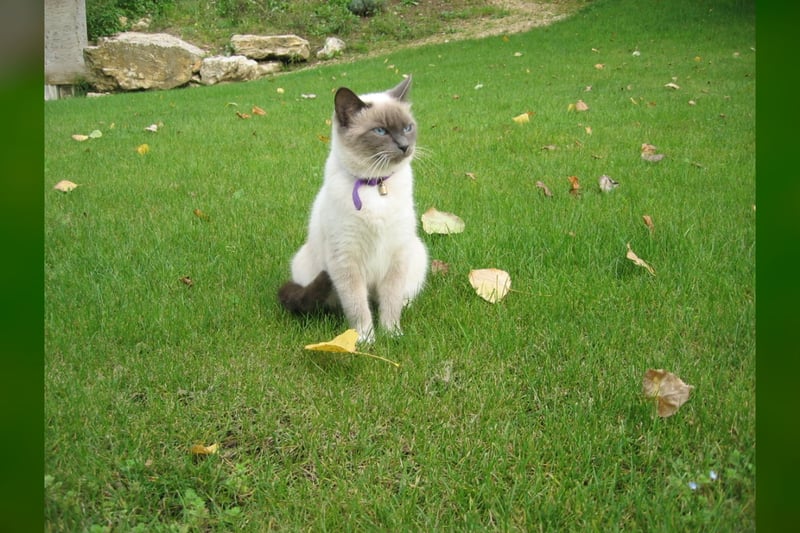
Birman

The Birman, also known as the Sacred Cat of Burma, is a semi-longhaired colorpoint cat recognizable by its four pure white gloves and its deep sapphire eyes. A French breed officially recognized as early as 1925, it holds a steady place near the top of the LOOF's most-registered breeds in France.

3 to 7 kg 14 years
See the profile
RagaMuffin

5

RagaMuffin

The RagaMuffin is a large semi-longhaired cat that emerged in the early 1990s in the United States, born of a deliberate split by breeders who broke away from the Ragdoll circle. Recognized in championship status by the CFA in 2011, it stands apart from its ancestor with an unrestricted color palette — every coat is admitted except colorpoints, reserved for breeding programs — and a slightly larger build (males up to 9 kg). Its central character trait is a complete muscular go-limp in the arms, extreme docility and a strong emotional dependence on its people. Still a little-known breed in France compared with the Ragdoll, it is steadily climbing the rankings of interest for households looking for a large cuddly cat.

4 to 9 kg 14 years
See the profile
Siberian

6

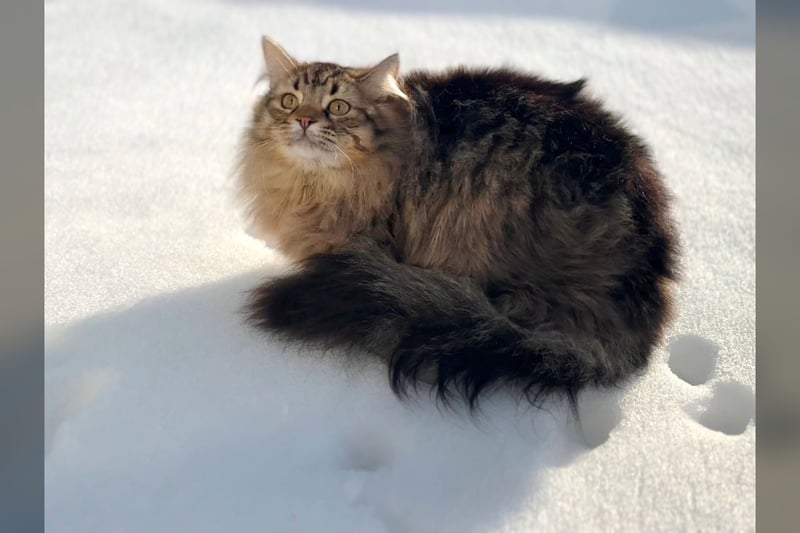
Siberian

The Siberian is a Russian natural breed whose documented history dates back to the year 1000, shaped by millennia of extreme Siberian winters. It stands out for its semi-water-resistant triple coat, its powerful semi-cobby build and, above all, a rare immunological trait: about half of individuals produce Fel d 1 levels — the main feline allergen protein — statistically below average, making it the breed best documented for tolerance among allergy sufferers. Ranked near the top of LOOF registrations in France, recognized by the CFA since 2000 and by FIFe, it remains a large cat (4–9 kg depending on sex) with slow maturity (3–5 years) and a long lifespan.

4 to 9 kg 15 years
See the profile
Maine Coon

7

Maine Coon

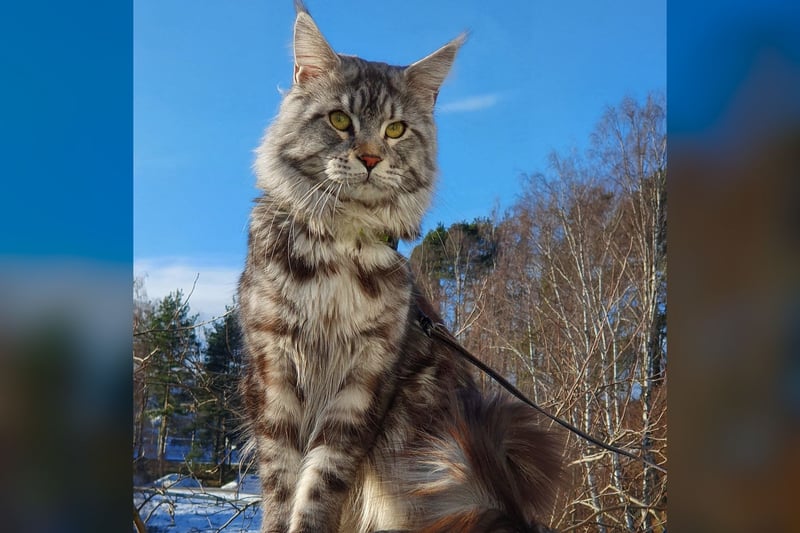
The Maine Coon is the largest semi-longhaired domestic cat, native to the state of Maine (USA), weighing 5 to 10 kg depending on sex. The number one breed in France at the LOOF since 2012, with more than 26 000 registrations a year, it is nicknamed the "gentle giant" for its calm, sociable temperament despite its imposing frame.

5 to 10 kg 13 years
See the profile
Neva Masquerade

8

Neva Masquerade

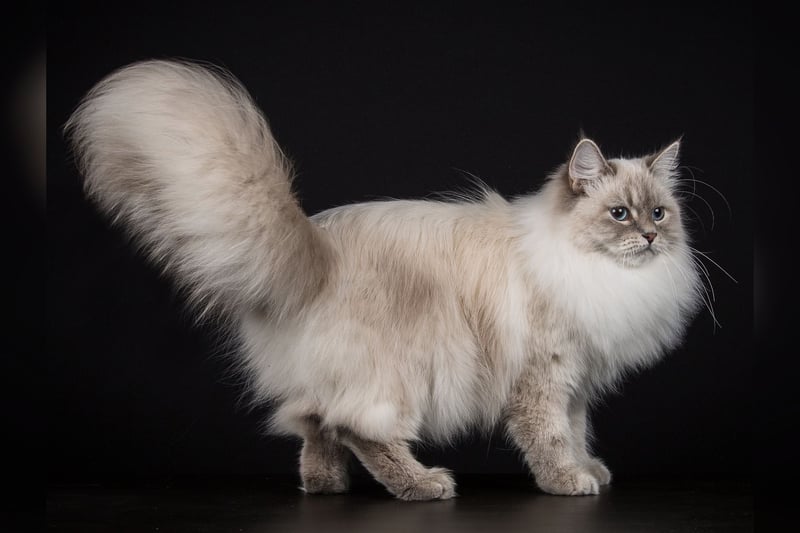
The Neva Masquerade is the colorpoint variant of the Siberian, developed in Saint Petersburg on the banks of the Neva in the 1970s-1980s. Its name evokes the Neva River and the dark facial mask characteristic of the colorpoint pattern. A large, robust breed with a waterproof triple coat and always-intense blue eyes, it shares the morphology and active temperament of the classic Siberian. Its federal status is ambiguous: a distinct breed with the WCF and the GCCF, a colorpoint variety of the Siberian with the LOOF and the FIFe. In France, it is registered with the LOOF under the designation Siberian colorpoint.

4 to 9 kg 16 years
See the profile
American Curl

9

American Curl

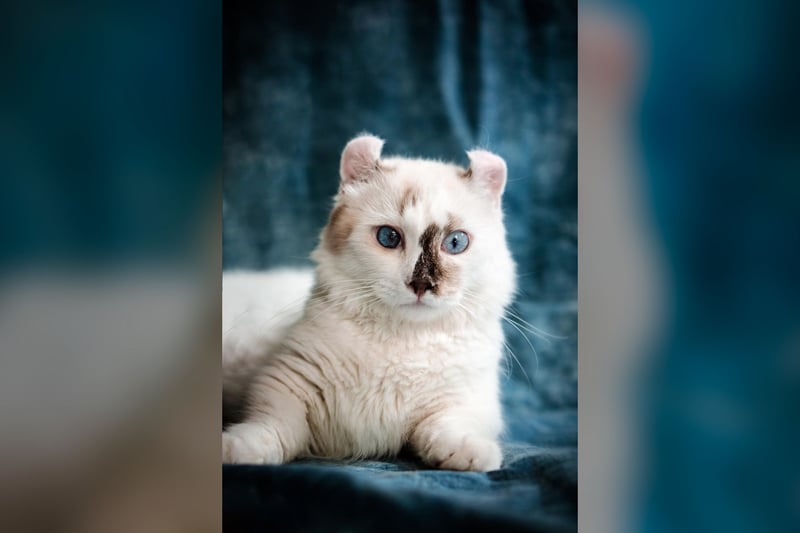
The American Curl was born in 1981 in Lakewood, California, from a stray female cat named Shulamith whose ears curled spontaneously backward — an autosomal dominant mutation of the Cu gene, with no effect on the skeleton or on any other cartilage. Available in two variants (longhair and shorthair), it is characterized by a playful temperament that persists into old age, marked sociability and genetic robustness thanks to its diverse founding base. Recognized by LOOF, the CFA (1991) and FIFe (2002).

3 to 5 kg 14 years
See the profile
LaPerm

10

LaPerm

The LaPerm is an American breed born in 1982 on an Oregon farm, when a farm cat gave birth to a bald kitten that later grew a spectacular curly coat. Its unique dominant mutation produces soft spirals reminiscent of mohair — neither Devon Rex nor Cornish Rex, but an entirely independent genetics. A medium-sized breed (3 to 5 kg), active and curious, it stands out for a sincere human attachment with no need for constant presence, and for robust health with no documented breed-specific conditions.

3 to 5 kg 14 years
See the profile

Practical advice

  • Adopt the cat before the dog if possible — a 3-4 month old kitten will accept an incoming dog better than the reverse.
  • For a late introduction (dog already present), spread it over 2-3 weeks: scent via swapped objects → sight through a barrier → short supervised contact.
  • Choose a breed tolerant of other species, 4/5 minimum (Ragdoll, Maine Coon, Sphynx) — it's the #1 success criterion.
  • Neuter both animals: hormonal dominance is the main cause of lasting cross-species conflict.
  • Maintain cat-only refuge zones (up high, behind a narrow piece of furniture) that the dog can't reach — non-negotiable even for the closest pairs.

Frequently asked questions

Can a cat cohabit with any dog?
No — the dog's breed matters too. Favor dogs with a low prey drive (Labrador, Golden Retriever, Cavalier King Charles) and avoid dogs with a strong prey drive (Sighthounds, Terriers, Huskies). On the dog side, our sister project dogmatch.fr has breed profiles detailing each breed's prey drive and sociability.
At what age can you introduce a dog into a home with a cat?
Ideally between 8 weeks and 1 year of age for the dog — the canine sensitive period. Beyond that, introduction is still possible but requires 2-3 weeks of separate cohabitation followed by supervised contact. An adult dog with no cat experience can take 2-6 months to become indifferent to cats.
Is the Ragdoll the quintessential 'dog-like cat'?
Yes — tolerance of other species 5/5, the highest score in this selection, a placid temperament, and a build (4-9 kg) compatible with a medium dog. It's one of the breeds most often cited for mixed-species households. The Birman and Maine Coon come in just behind, at 4/5.
My adult dog has never seen a cat — is it too late?
No, but it's more complex. Bring in a canine/feline behaviorist for a first supervised meeting. Favor a cat from a tolerant breed (recommendations above) rather than an untested European Shorthair. Plan an introduction over a minimum of 4-6 weeks with physical barriers.
How much does cat-dog cohabitation cost?
On the animal side: 100-180 € a month for both (premium food, litter, vet care). On the setup side: an initial 200-400 € for high refuge zones, movable barriers, and possibly behaviorist consultations if the introduction is difficult (60-100 € a session).
Can my cat become aggressive if I add a dog?
Possible in cats with low tolerance for other species (3/5 or less: Persian, Sokoke, Egyptian Mau). For the breeds recommended here, all at 4/5 or above, aggression stays rare if the introduction protocol is followed. Warning signs: urine marking, overgrooming, permanent withdrawal — if you see these, consult a behaviorist.
Sources